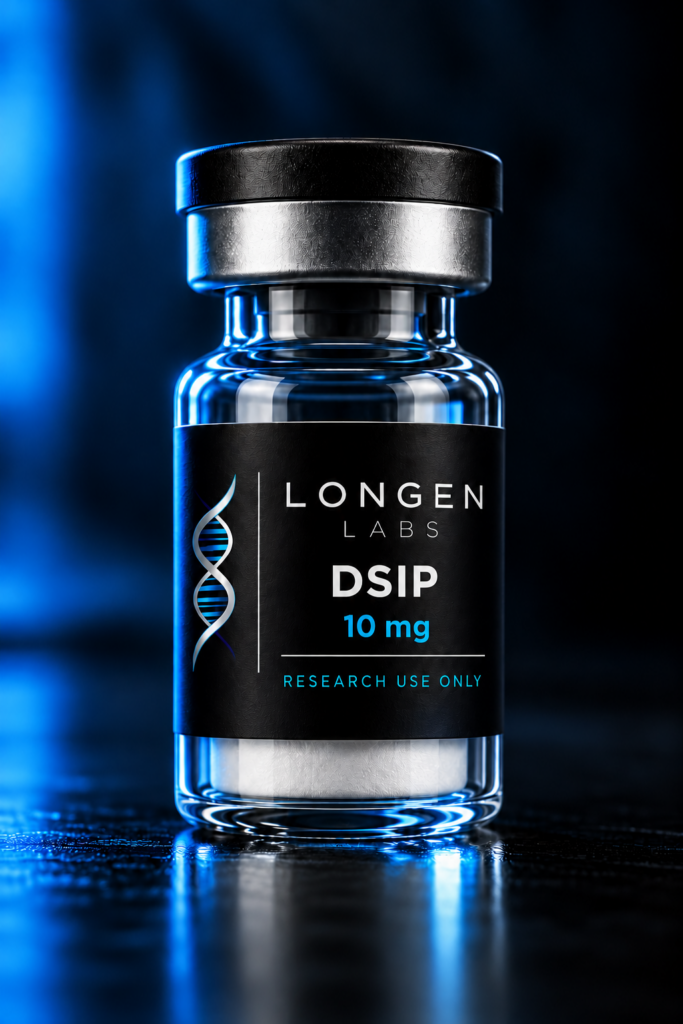
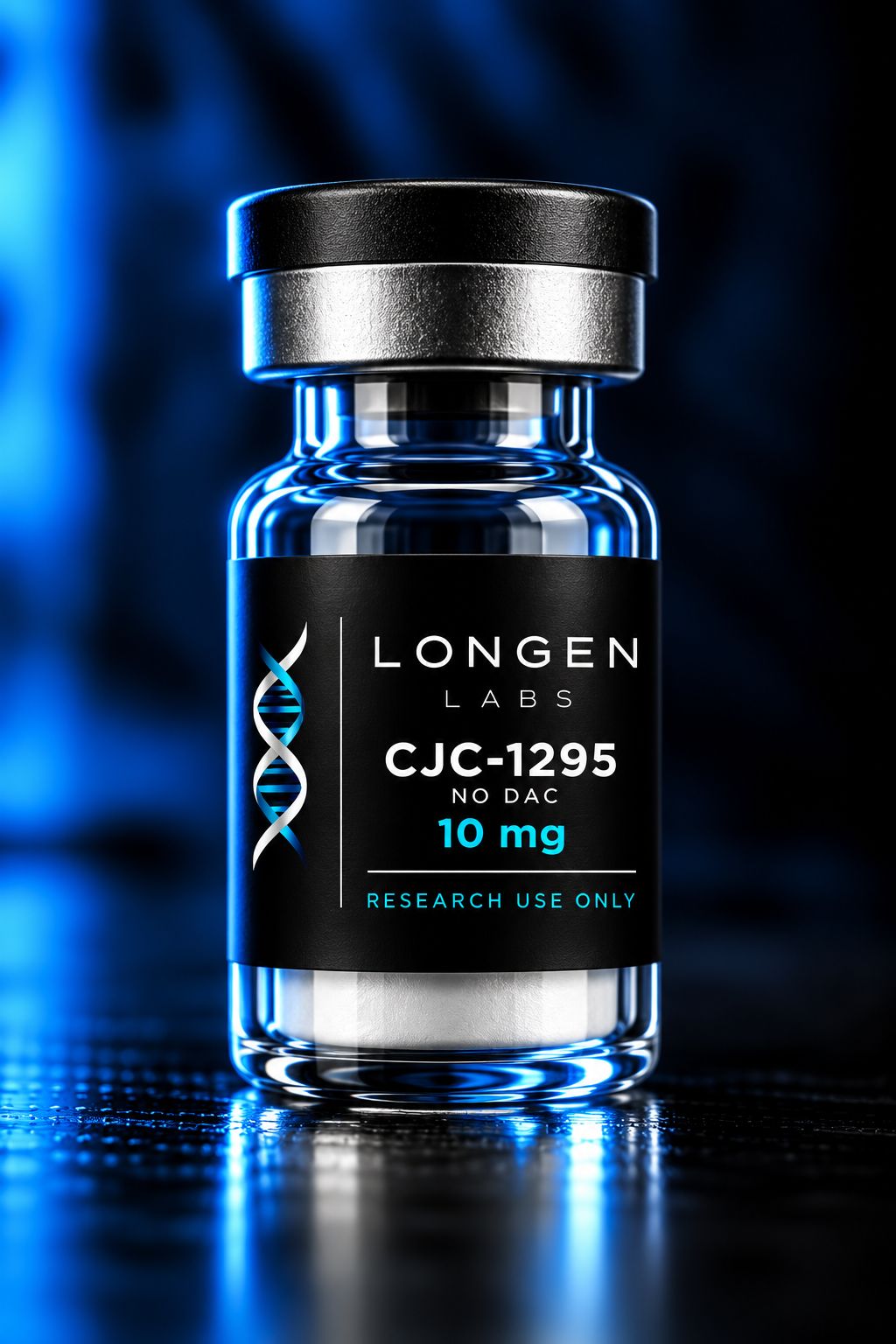
DSIP 10 mg

Price: Original price was: CHF 65.00.Current price is: CHF 59.00.

DSIP is a synthetic nine-amino-acid neuropeptide first isolated in the 1970s. Supplied as a reference material for in-vitro neuropeptide research.

FOR LABORATORY RESEARCH ONLYIntended exclusively for in-vitro laboratory research by qualified professionals. Not approved or intended for human or veterinary use, consumption, or therapeutic applications. See our Research Use Disclaimer.

Description

Overview

DSIP is a nonapeptide originally isolated from rabbit cerebral venous blood. Its receptor has not been definitively identified, and it is studied as a model neuropeptide with reported interactions with glutamatergic and GABAergic signalling.

In the laboratory it is used in neuronal cell-culture models and in peptide-stability and analytical studies. No claims are made regarding effects in humans or animals.

Typical in-vitro applications

  • Neuropeptide signalling studies in neuronal cell culture
  • Peptide stability and degradation studies
  • Analytical reference standard (HPLC/LC-MS)

Compound data

  • Compound: DSIP
  • Compound class: Synthetic nonapeptide
  • Sequence: Trp-Ala-Gly-Gly-Asp-Ala-Ser-Gly-Glu
  • Net content: 10 mg per vial (stated for analytical and preparative calculations)
  • Purity specification: โ‰ฅ99% (HPLC); measured value on the lot certificate of analysis
  • Form: Lyophilised powder
  • Intended use: In-vitro laboratory research only

Storage & handling

  • Store the sealed vial at โˆ’20 ยฐC, dry and protected from light.
  • Allow the vial to reach room temperature before opening to avoid condensation.
  • Handle with standard laboratory protective equipment (gloves, lab coat, eye protection).
  • Shipped at ambient temperature in insulated, tamper-evident packaging.

Analytical documentation

HPLC purity and LC-MS identity are tested for every lot. Certificates of analysis and third-party test reports are published in our COA library on the About Us page.

For laboratory research use only. Not for human or veterinary use. See our Research Use Disclaimer.

Related Products

Thymosin ฮฑ1 is a 28-amino-acid N-acetylated peptide originally isolated from thymic tissue. Supplied as a reference material for in-vitro immune-signalling research.

SS-31 is a cell-permeable synthetic tetrapeptide that localises to the inner mitochondrial membrane. Supplied as a reference material for in-vitro mitochondrial research.

PT-141 is a cyclic heptapeptide melanocortin-receptor agonist derived from ฮฑ-MSH. Supplied as a reference material for in-vitro melanocortin-receptor research.

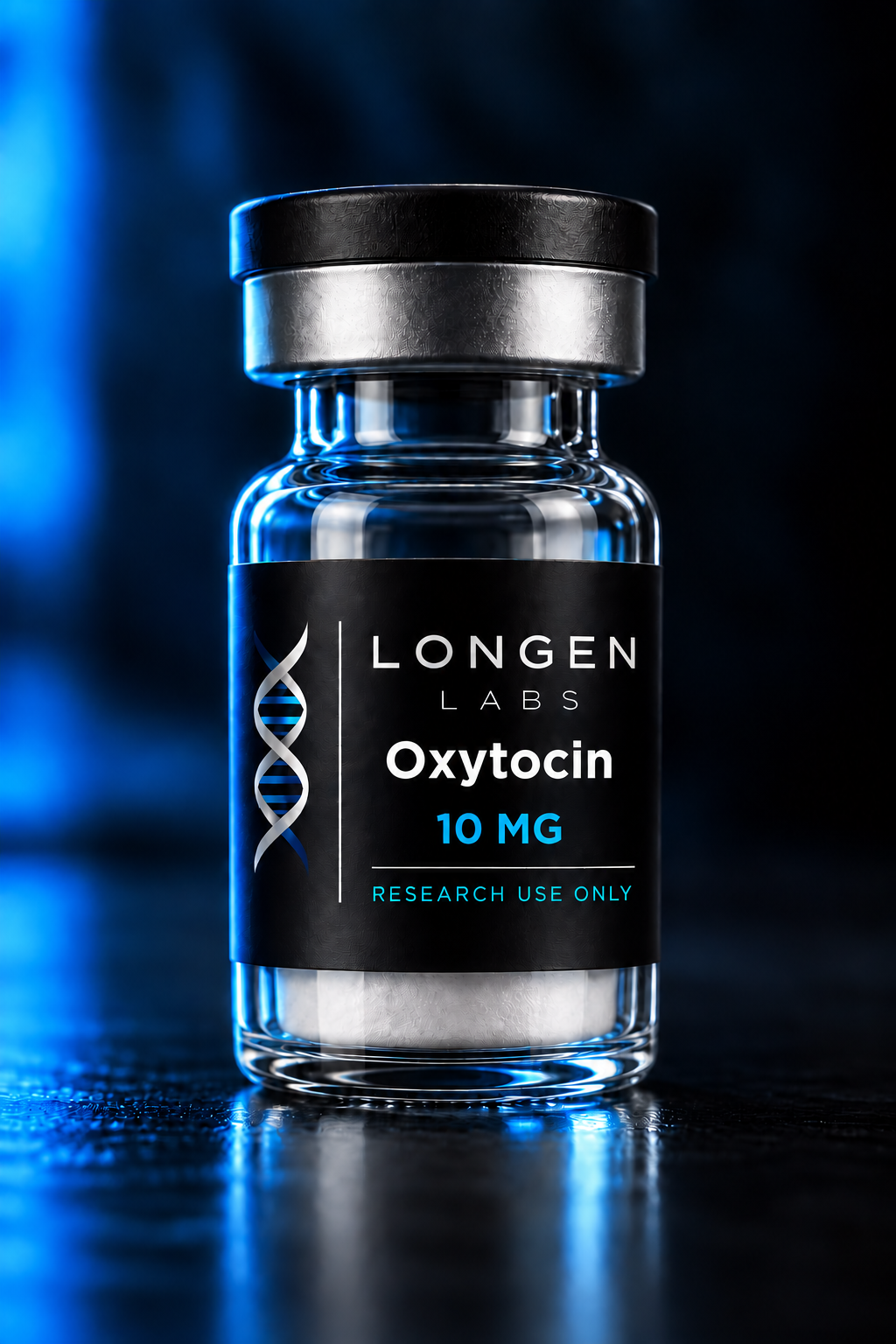
Oxytocin is a nine-amino-acid neurohypophysial peptide with a disulfide bridge between Cys1 and Cys6. Supplied as a reference material for in-vitro oxytocin-receptor research.

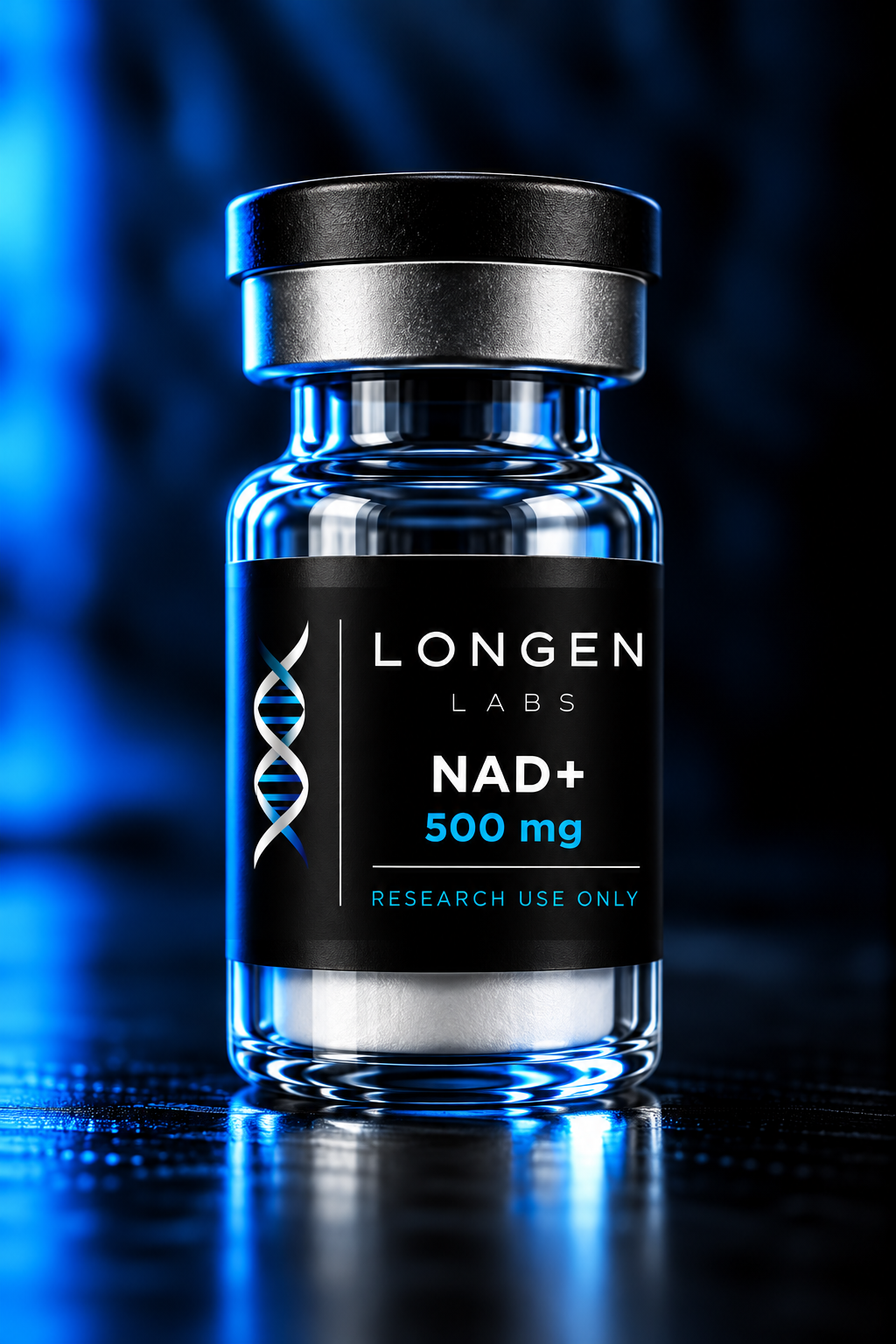
NADโบ (ฮฒ-nicotinamide adenine dinucleotide) is the oxidised form of a central redox coenzyme. Supplied as a reference material for in-vitro enzyme and metabolism research.

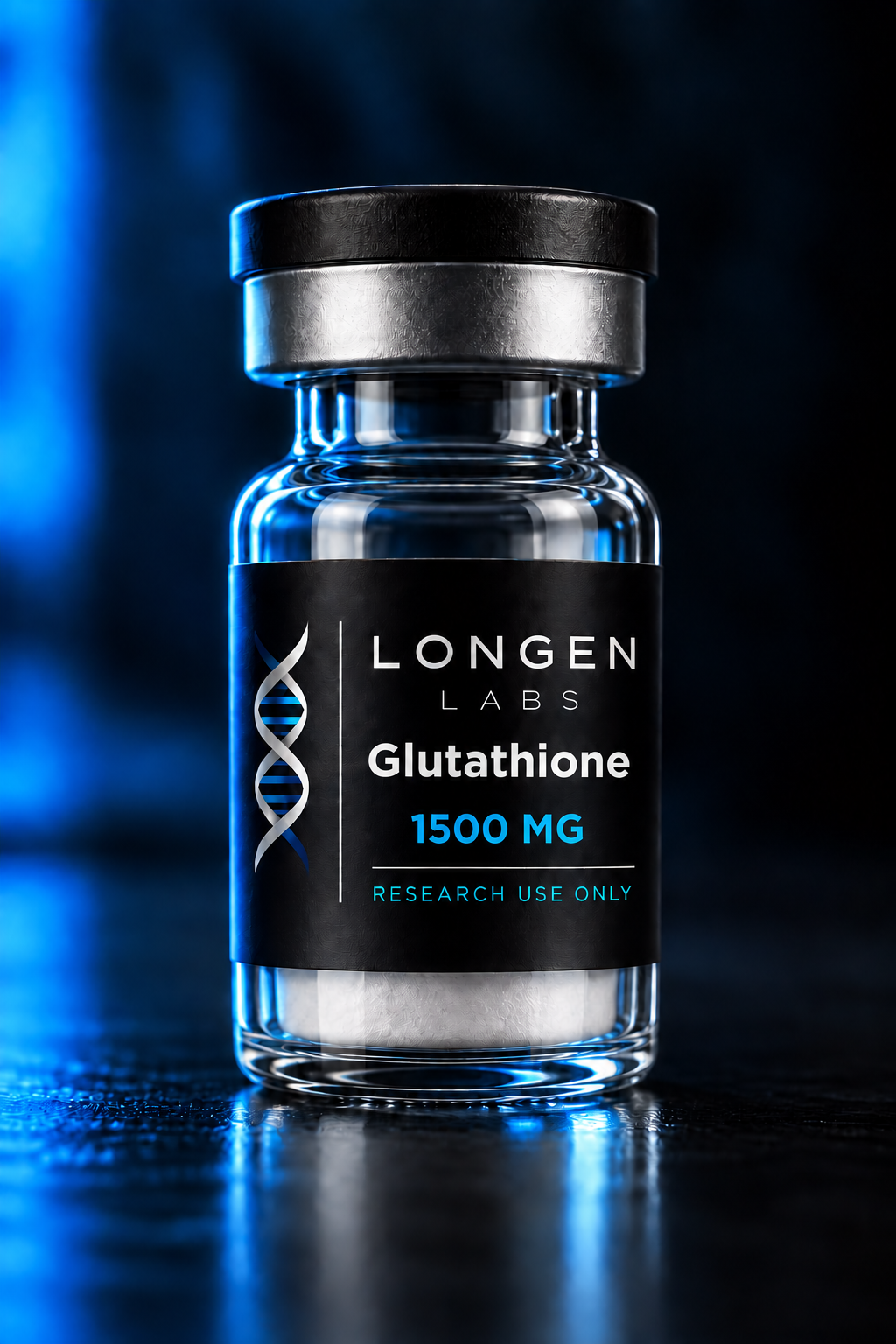
Glutathione (ฮณ-L-glutamyl-L-cysteinyl-glycine) is a tripeptide thiol and the principal low-molecular-weight redox buffer in cells. Supplied as a reference material for in-vitro redox research.

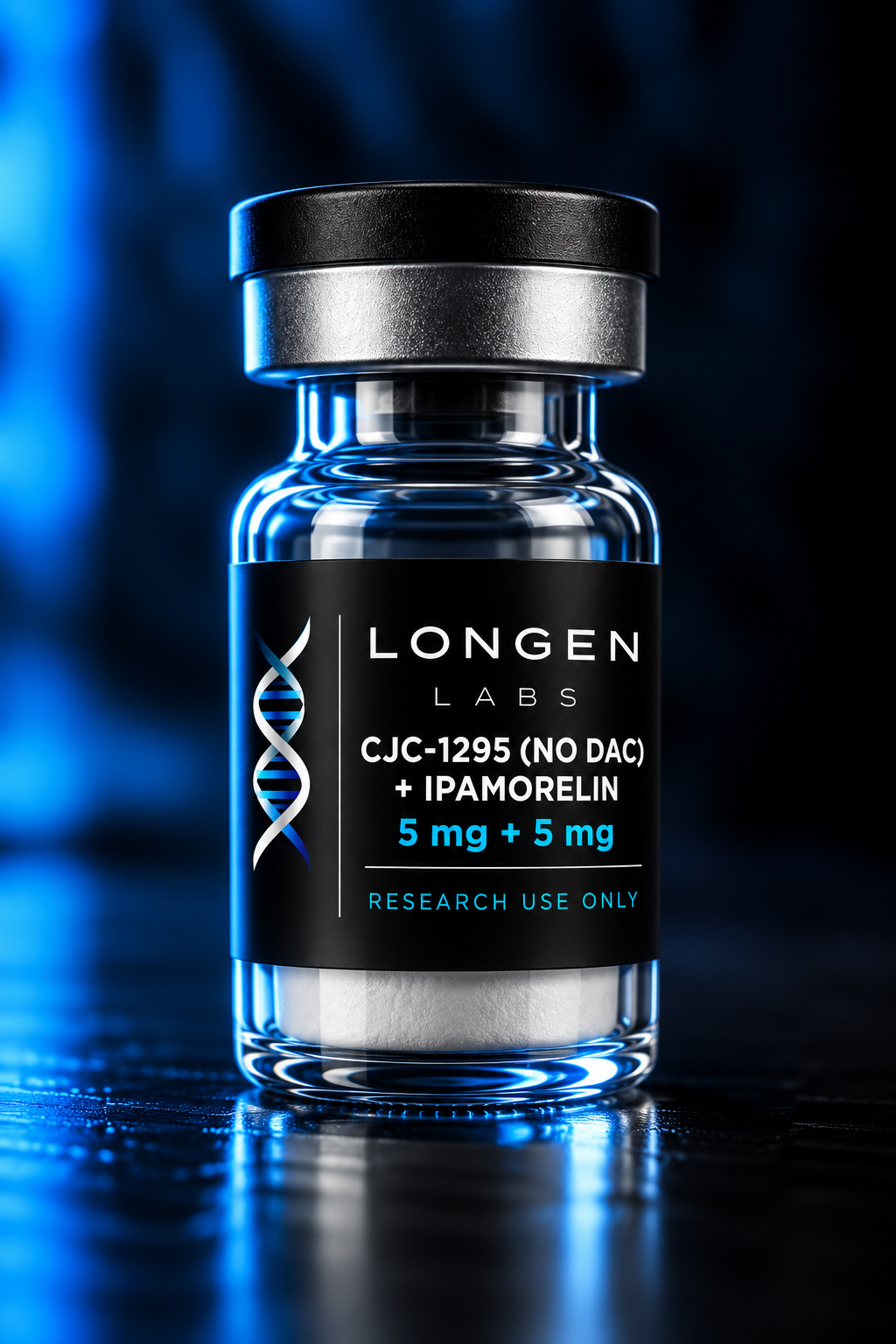
A research set containing 5 mg CJC-1295 without DAC (modified GRF 1-29) and 5 mg ipamorelin. Supplied as a reference material for in-vitro GHRH-receptor and ghrelin-receptor research.

CJC-1295 without DAC is a 29-amino-acid analogue of growth-hormone-releasing hormone (GHRH 1-29) with four amino-acid substitutions. Supplied as a reference material for in-vitro GHRH-receptor research.