
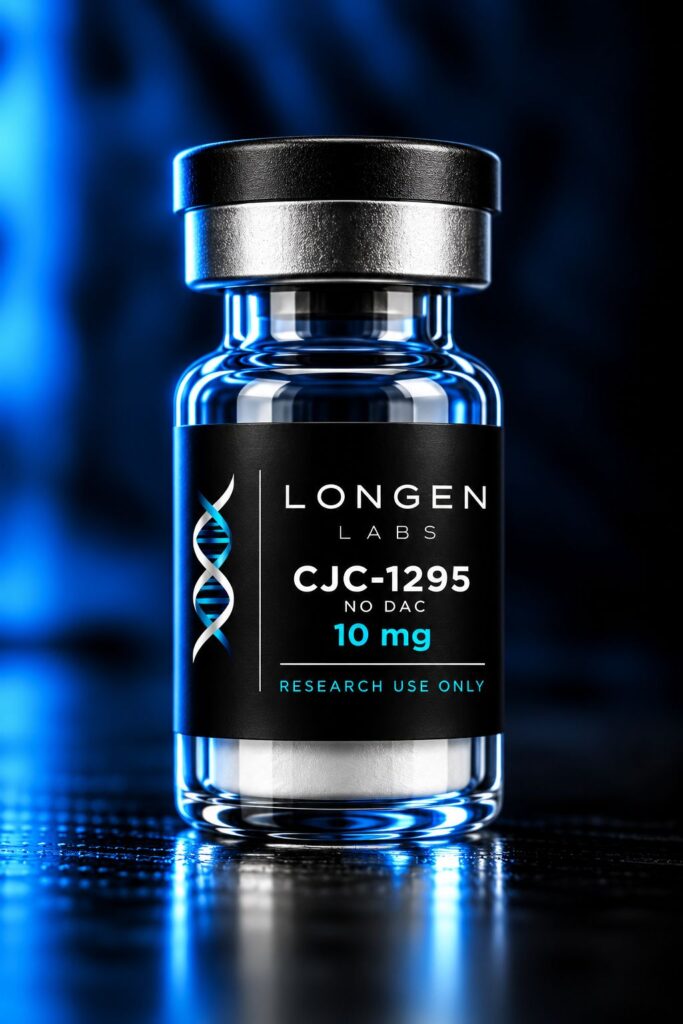
A short-acting GHRH-analogue research peptide used to investigate growth-hormone-releasing pathways and GH/IGF-1 signalling. The No-DAC form must be clearly distinguished from albumin-binding CJC-1295 with DAC because their molecular designs are not equivalent.
| Title | Range | Discount |
|---|---|---|
| 4 vials (15% discount) | 4 - 7 | 15% CHF 64.60 |
| 8 vials (25% discount) | 8 - 11 | 25% CHF 57.00 |
| 12 vials (35% disocunt) | 12 + | 35% CHF 49.40 |
CJC-1295 No DAC is a synthetic analog based on the biologically active 1–29 amino-acid region of growth hormone-releasing hormone (GHRH). It is commonly marketed under the name Modified GRF 1-29 and is distinguished from CJC-1295 with DAC by the absence of the Drug Affinity Complex (DAC) modification.
The absence of DAC produces a substantially shorter pharmacokinetic profile than the albumin-binding DAC form. This distinction is particularly relevant in laboratory research examining GHRH signaling, receptor activation, and patterns of growth hormone secretion.
CJC-1295 No DAC 10 mg is supplied as a research peptide for laboratory and scientific applications. The stated quantity refers to the amount of peptide contained in the product and should not be interpreted as a recommended human dosage.
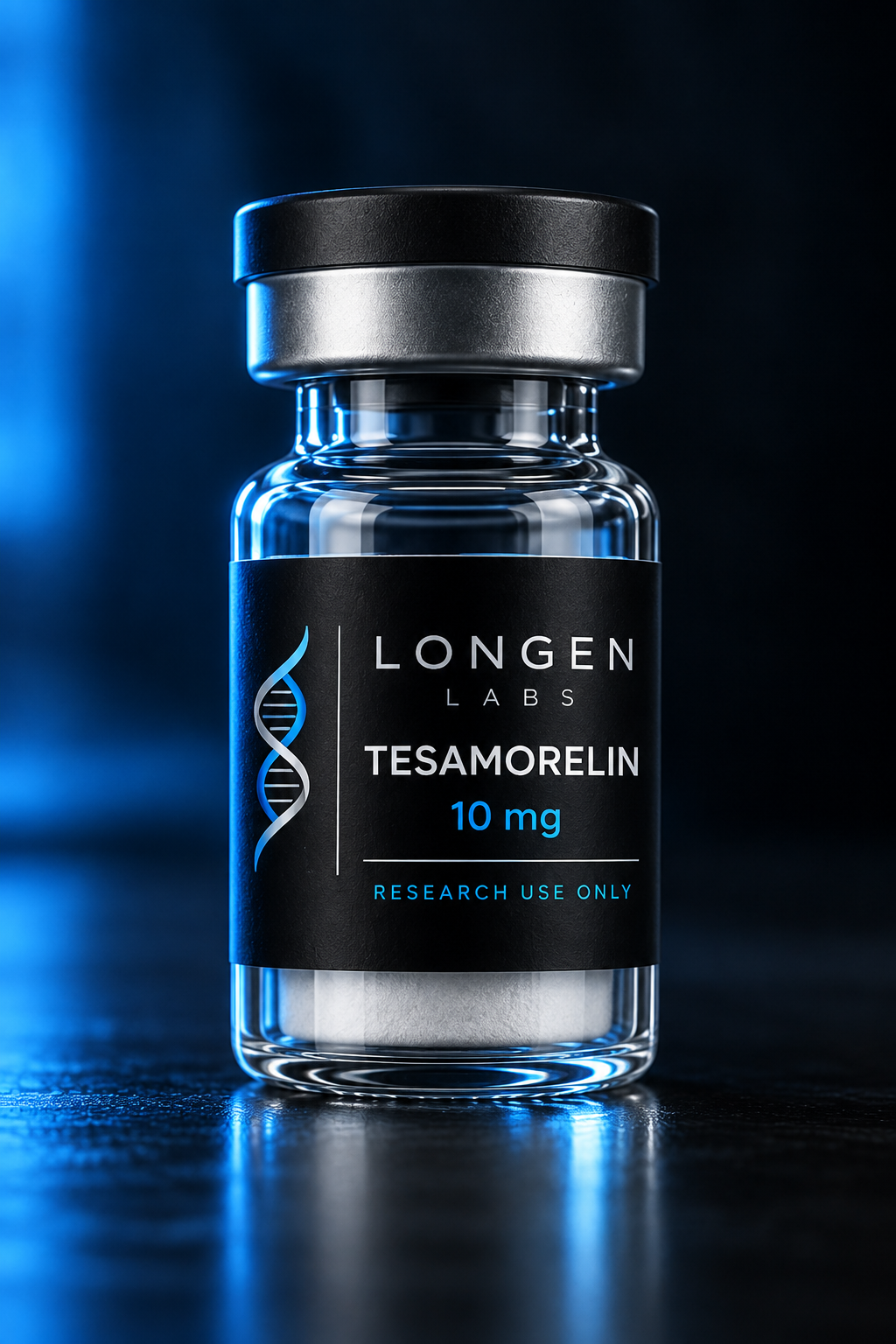
A synthetic analogue of growth hormone-releasing hormone (GHRH) studied through the GHRH receptor and downstream GH/IGF-1 axis. Research areas include endocrine signalling, growth-hormone physiology and metabolic regulation.
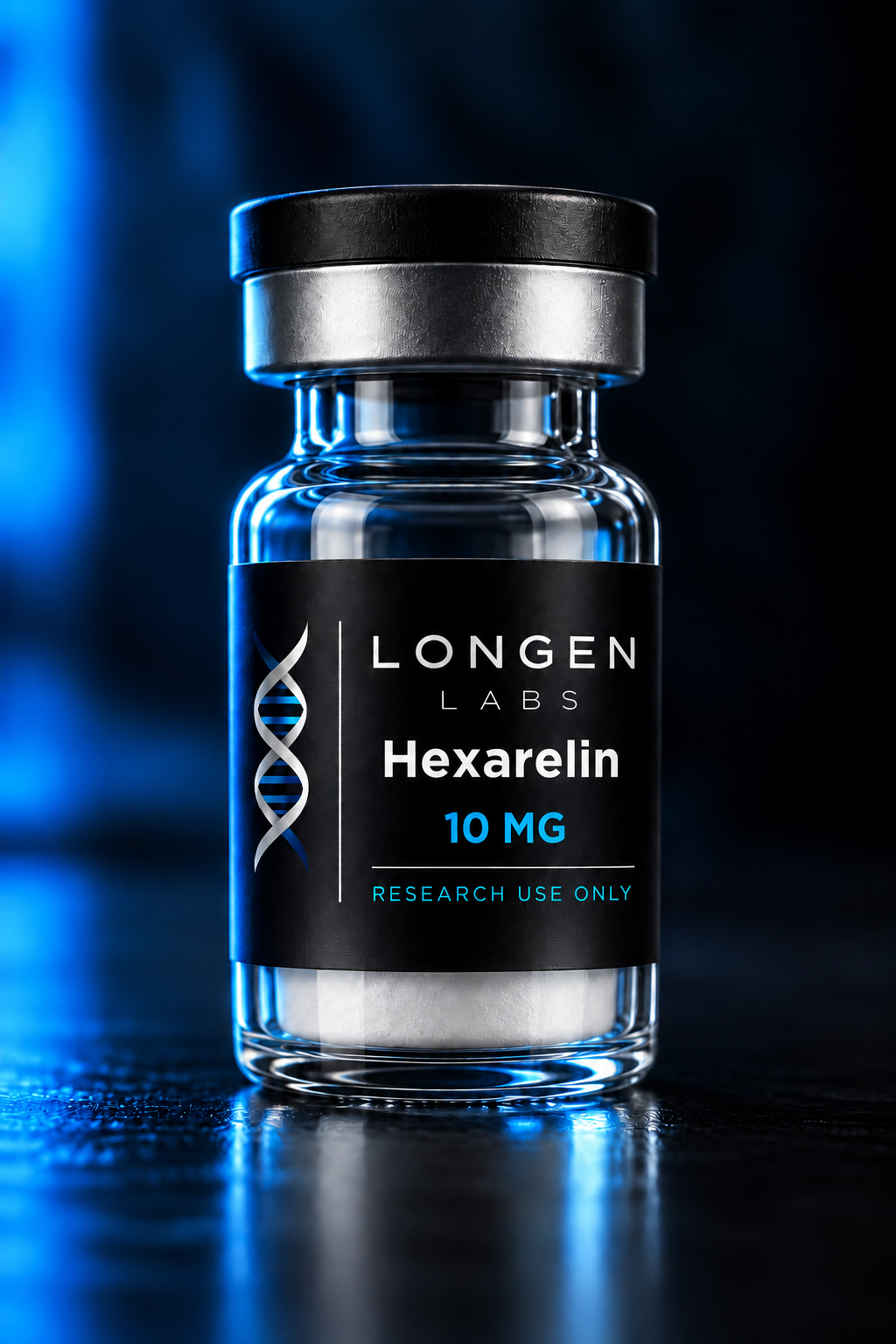
A synthetic growth hormone secretagogue peptide investigated for its activity at the ghrelin receptor (GHS-R1a) and its influence on growth-hormone signalling pathways. Its research landscape includes GH secretion, neuroendocrine regulation and metabolic signalling.
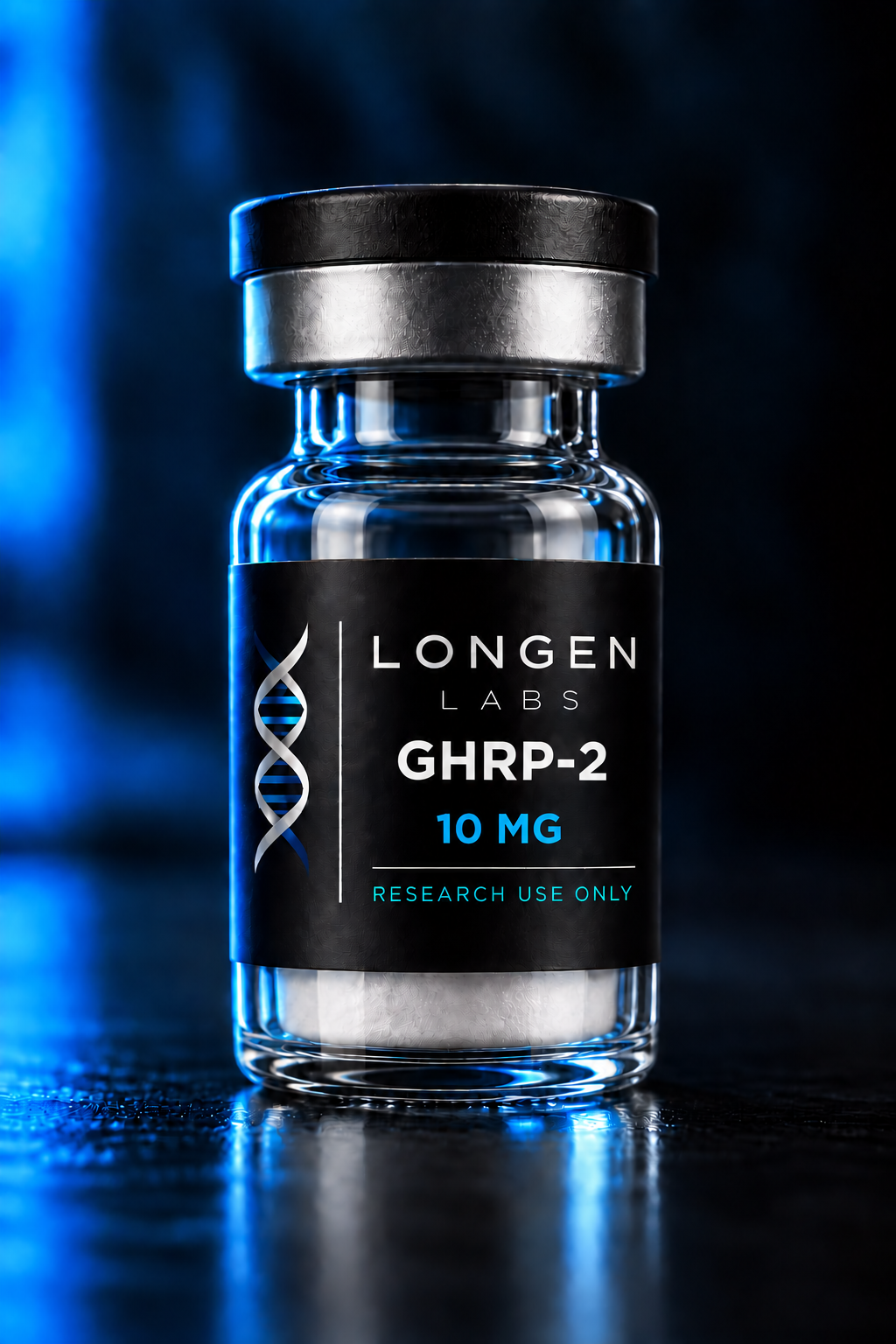
A synthetic growth hormone-releasing peptide investigated for its activity at the ghrelin receptor (GHS-R1a) and its influence on growth-hormone secretory pathways. Its research landscape includes GH release, pituitary signalling and neuroendocrine regulation.
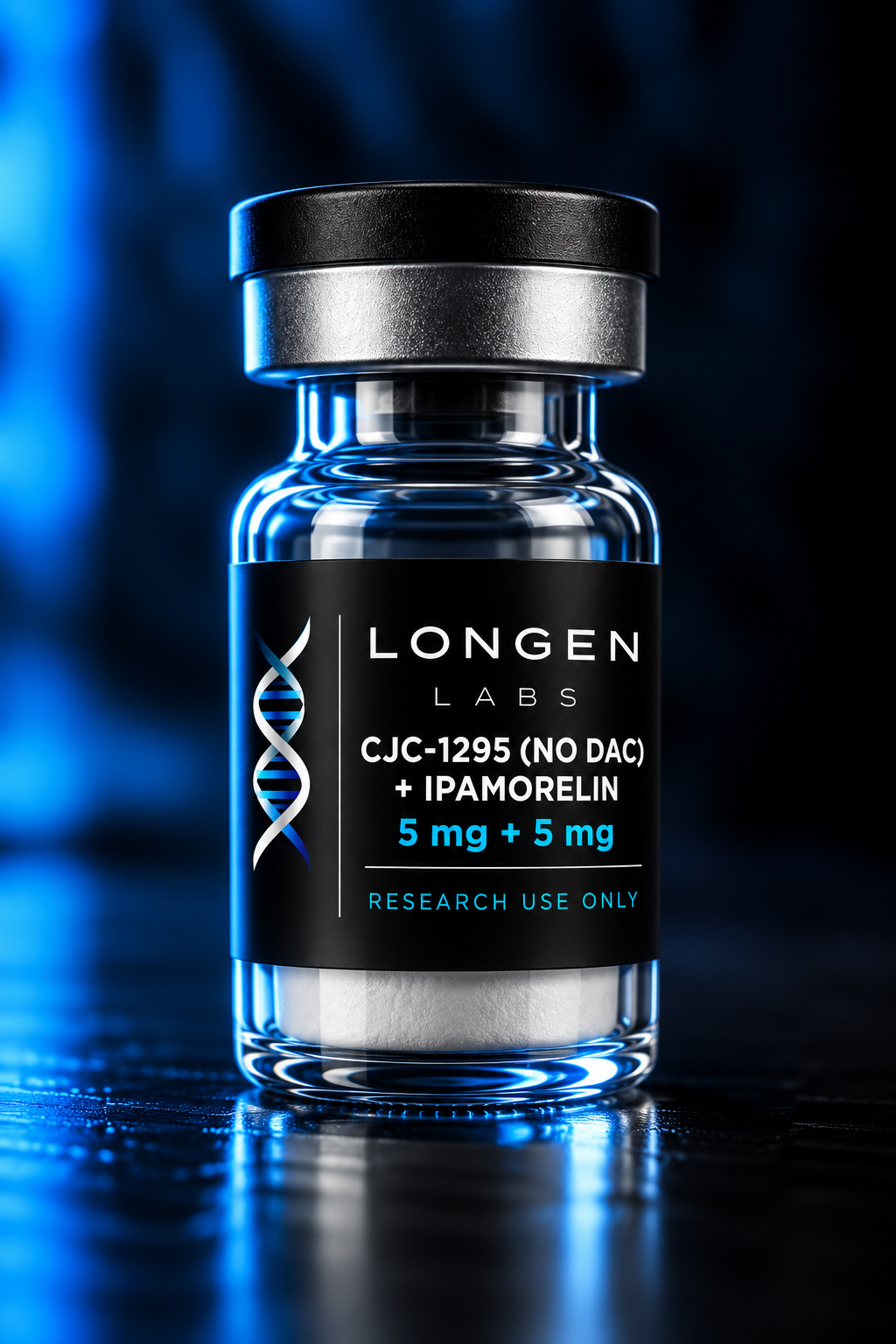
A two-component research formulation combining a GHRH-pathway analogue with a growth-hormone secretagogue, allowing investigation of two distinct signalling mechanisms converging on the GH axis. Both components and their quantities should remain explicitly identified.
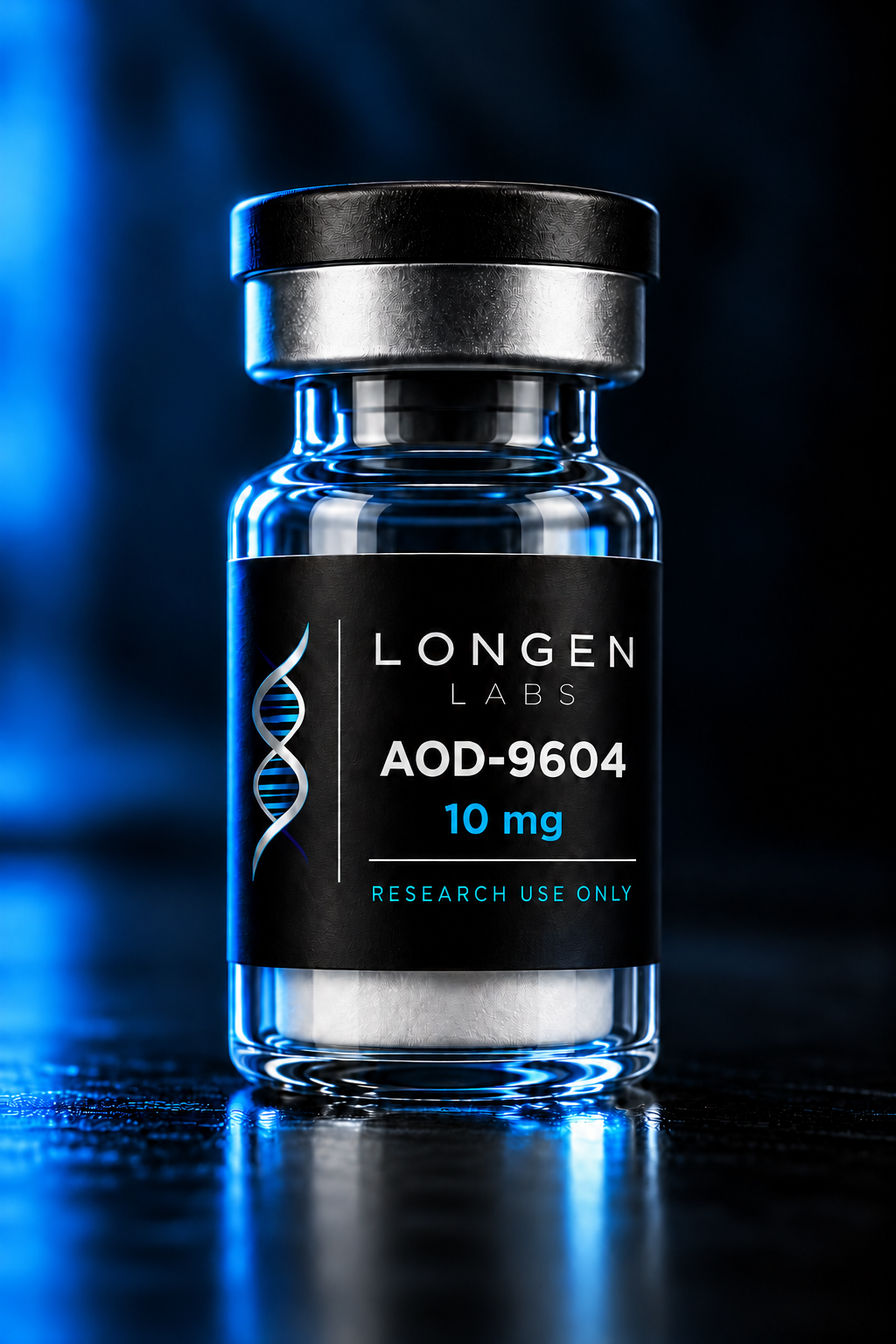
A synthetic fragment derived from the C-terminal region of human growth hormone. Research focuses on the biological properties of this fragment and its relationship to metabolic and GH-associated signalling without representing the complete GH molecule.
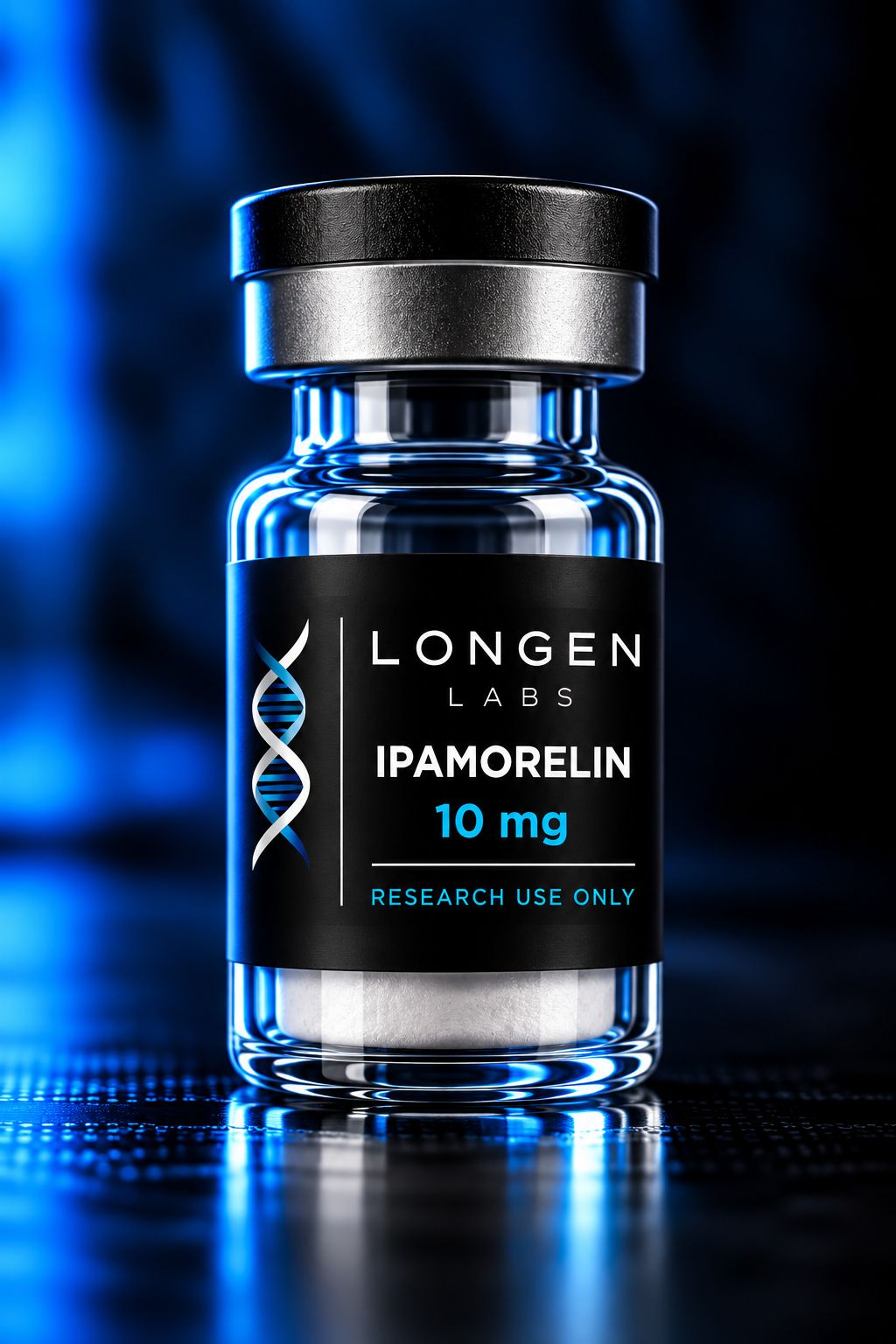
A growth-hormone secretagogue investigated through ghrelin/GHS receptor signalling and downstream GH physiology. It provides a mechanistically different research route into the GH axis than GHRH analogues such as CJC-1295 and tesamorelin.
To provide the best experience, we use cookies and similar technologies to store and access device information. With your consent, we may process data such as browsing behavior or unique identifiers to improve site functionality and analytics. You can change or withdraw your consent at any time.