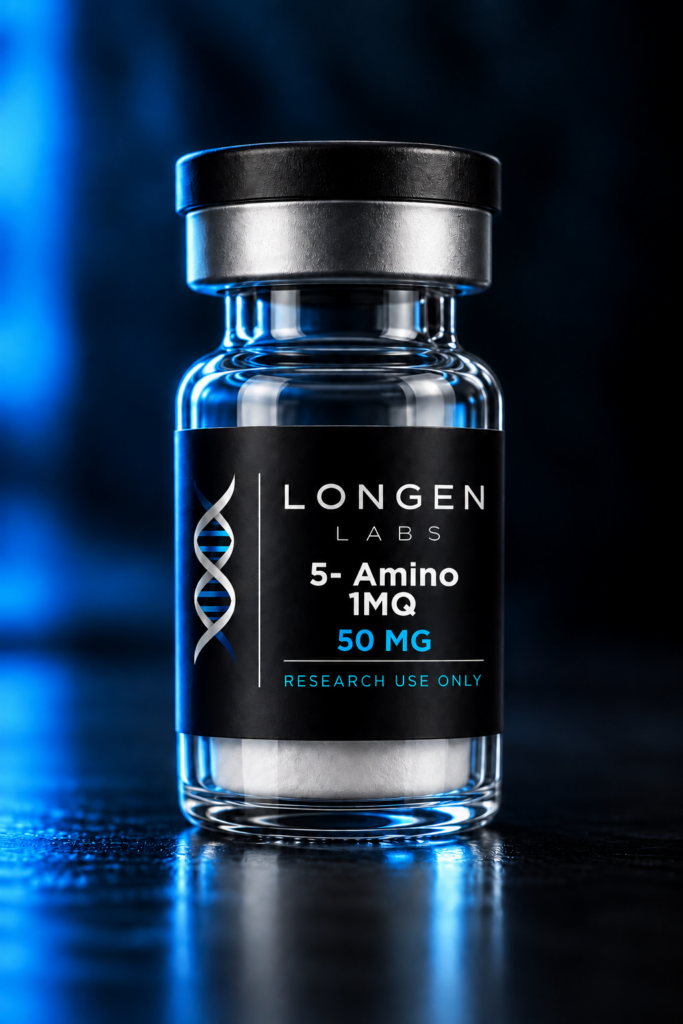
5-Amino-1MQ 50 mg

Price: Original price was: CHF 99.00.Current price is: CHF 89.00.

5-Amino-1MQ is a small-molecule quinolinium compound used in biochemical and cell-culture studies as an inhibitor of the enzyme nicotinamide N-methyltransferase (NNMT). Supplied as a reference material for in-vitro laboratory research.

FOR LABORATORY RESEARCH ONLYIntended exclusively for in-vitro laboratory research by qualified professionals. Not approved or intended for human or veterinary use, consumption, or therapeutic applications. See our Research Use Disclaimer.

Description

Overview

5-Amino-1MQ is a membrane-permeable quinolinium derivative described in the scientific literature as a selective inhibitor of nicotinamide N-methyltransferase (NNMT). NNMT catalyses the N-methylation of nicotinamide using S-adenosylmethionine (SAM) as the methyl donor, producing 1-methylnicotinamide and S-adenosylhomocysteine (SAH).

In the laboratory it is used as a tool compound to modulate NNMT activity in enzyme assays and cultured-cell models. No claims are made regarding effects in humans or animals.

Typical in-vitro applications

  • NNMT enzyme-inhibition and kinetics assays
  • NADโบ salvage-pathway and nicotinamide-metabolism studies in cell culture
  • SAM / SAH methylation-flux experiments
  • Reference standard for HPLC and LC-MS method development

Compound data

  • Compound: 5-Amino-1MQ (5-amino-1-methylquinolinium)
  • Compound class: Small-molecule quinolinium compound
  • Target enzyme: Nicotinamide N-methyltransferase (NNMT)
  • Net content: 50 mg per vial (stated for analytical and preparative calculations)
  • Purity specification: โ‰ฅ99% (HPLC); measured value on the lot certificate of analysis
  • Form: Solid powder
  • Intended use: In-vitro laboratory research only

Storage & handling

  • Store the sealed vial at โˆ’20 ยฐC, dry and protected from light.
  • Allow the vial to reach room temperature before opening to avoid condensation.
  • Handle with standard laboratory protective equipment (gloves, lab coat, eye protection).
  • Shipped at ambient temperature in insulated, tamper-evident packaging.

Analytical documentation

HPLC purity and LC-MS identity are tested for every lot. Certificates of analysis and third-party test reports are published in our COA library on the About Us page.

For laboratory research use only. Not for human or veterinary use. See our Research Use Disclaimer.

Related Products

Tirzepatide is a synthetic acylated peptide that activates the GIP and GLP-1 receptors. Supplied as a reference material for in-vitro incretin-receptor research.

Pinealon is a synthetic tripeptide (Glu-Asp-Arg). Supplied as a reference material for in-vitro neuronal cell-culture and gene-expression research.

GHK-Cu is the copper(II) complex of the naturally occurring tripeptide glycyl-L-histidyl-L-lysine. Supplied as a reference material for in-vitro extracellular-matrix and fibroblast research.

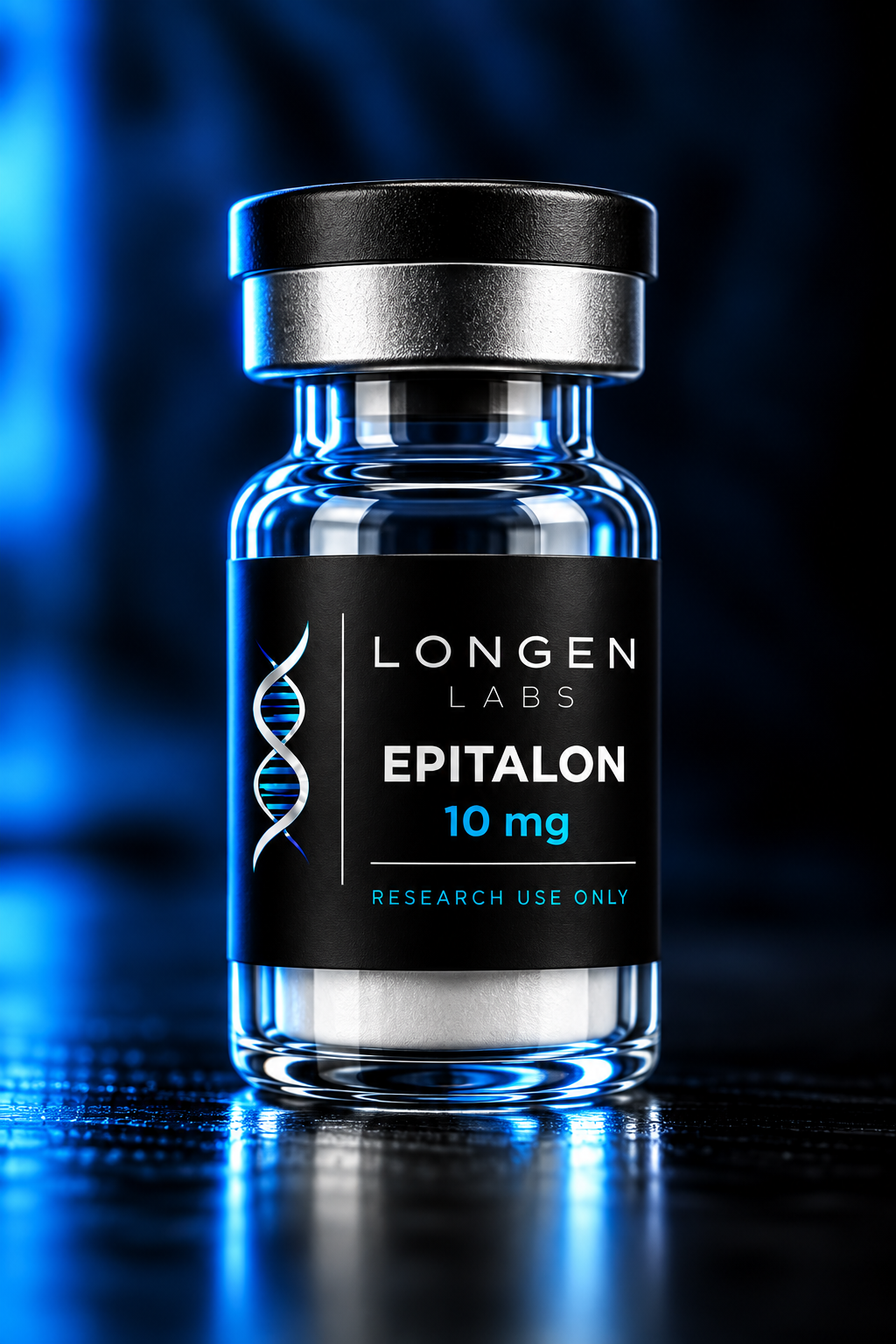
Epitalon is a synthetic tetrapeptide (Ala-Glu-Asp-Gly). Supplied as a reference material for in-vitro telomerase and gene-expression research.

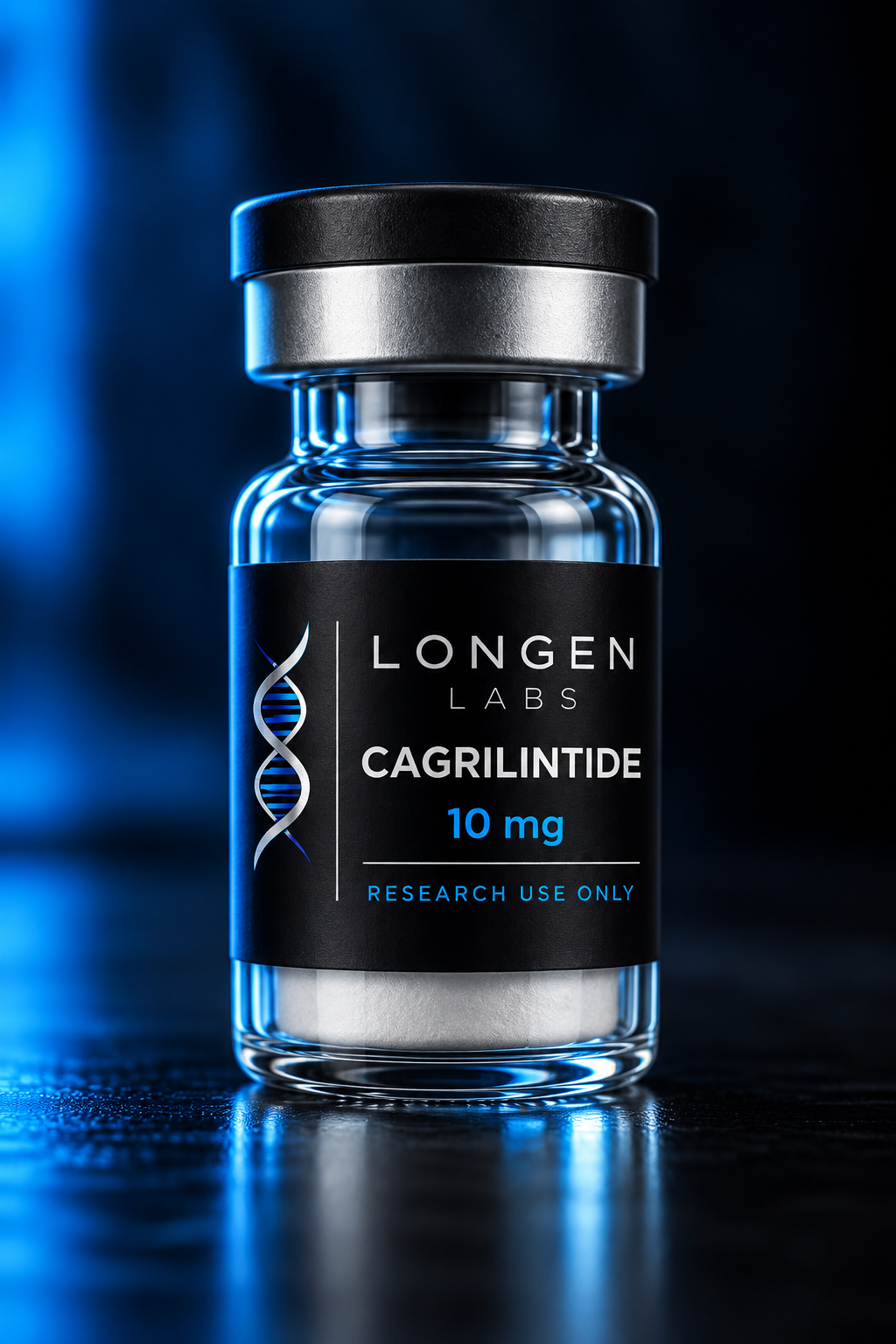
Cagrilintide is a long-acting, lipidated analogue of the peptide hormone amylin. Supplied as a reference material for in-vitro amylin- and calcitonin-receptor research.

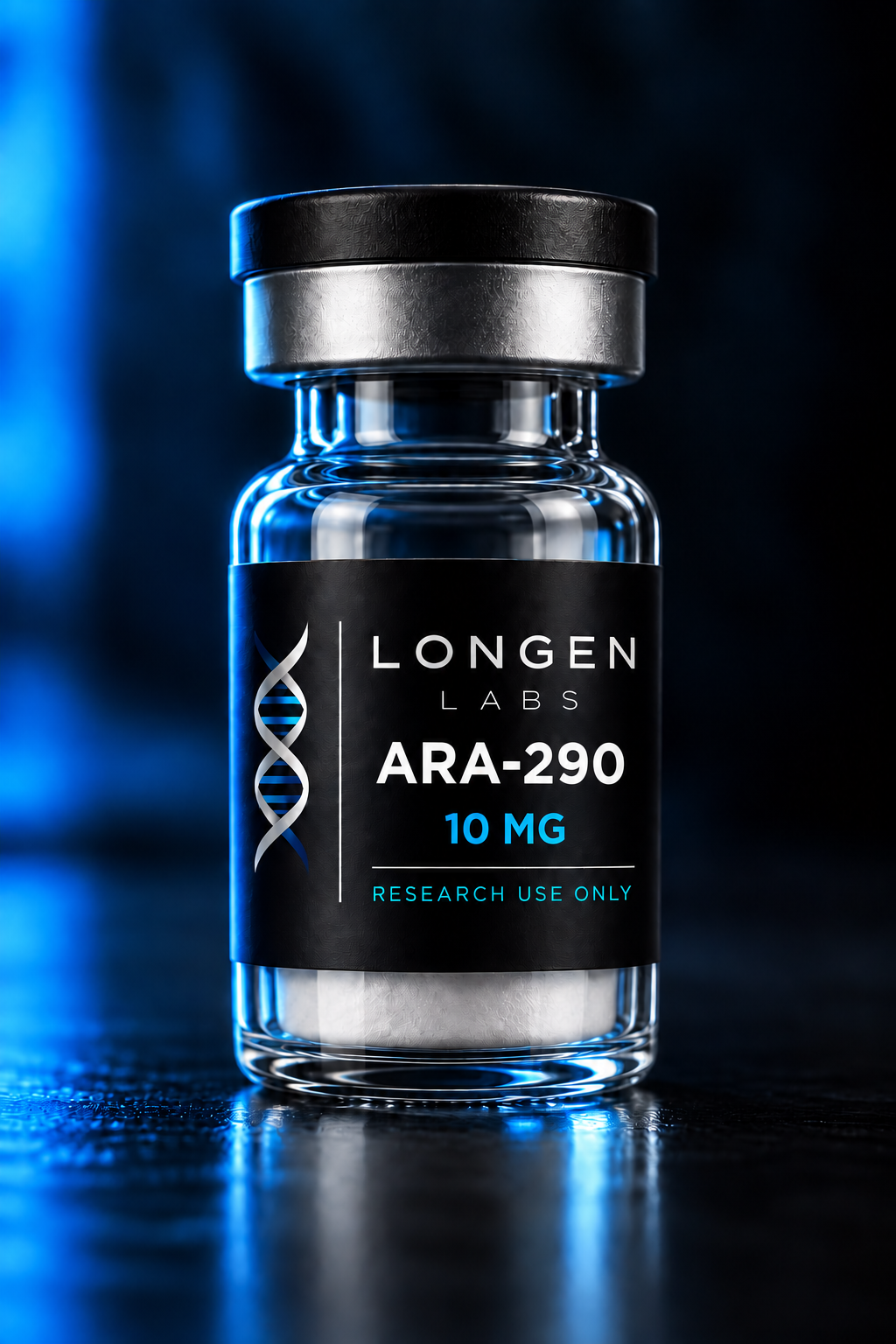
ARA-290 is an 11-amino-acid peptide derived from helix B of erythropoietin. Supplied as a reference material for in-vitro receptor and cell-signalling research.

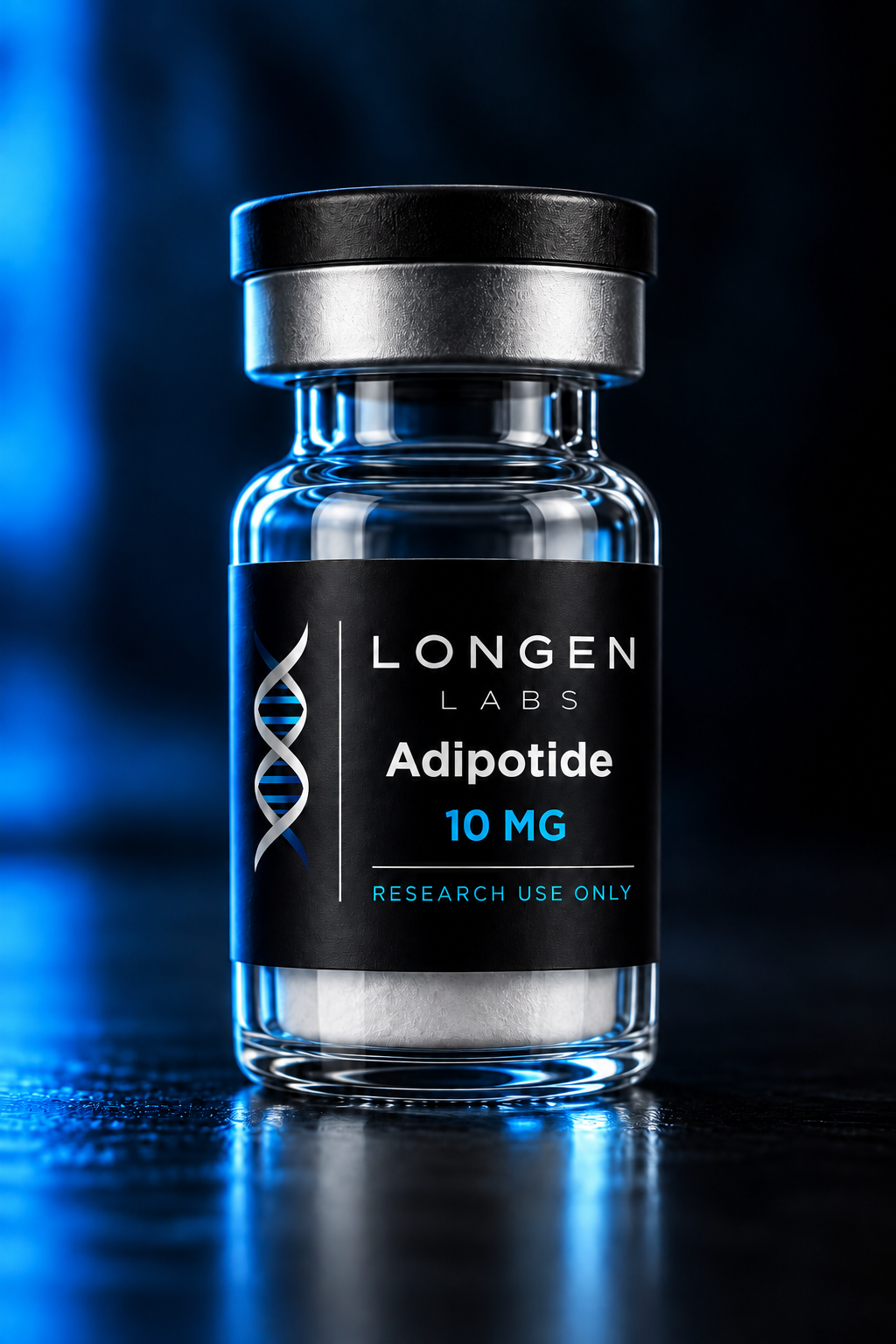
Adipotide is a synthetic peptidomimetic combining a prohibitin-binding targeting motif with a pro-apoptotic (KLAKLAK)โ‚‚ domain. Supplied as a reference material for in-vitro vascular-targeting and apoptosis research.

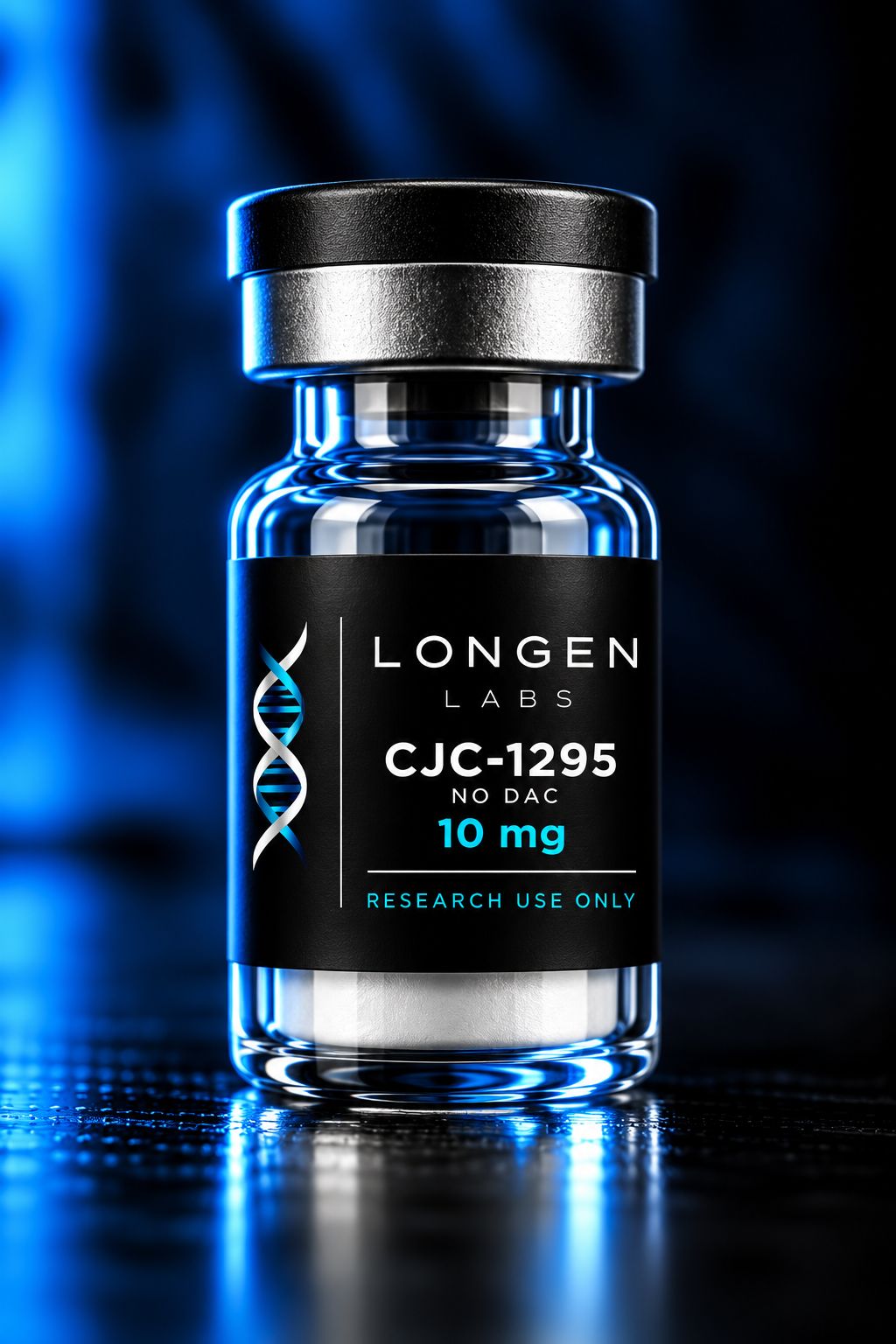
CJC-1295 without DAC is a 29-amino-acid analogue of growth-hormone-releasing hormone (GHRH 1-29) with four amino-acid substitutions. Supplied as a reference material for in-vitro GHRH-receptor research.