
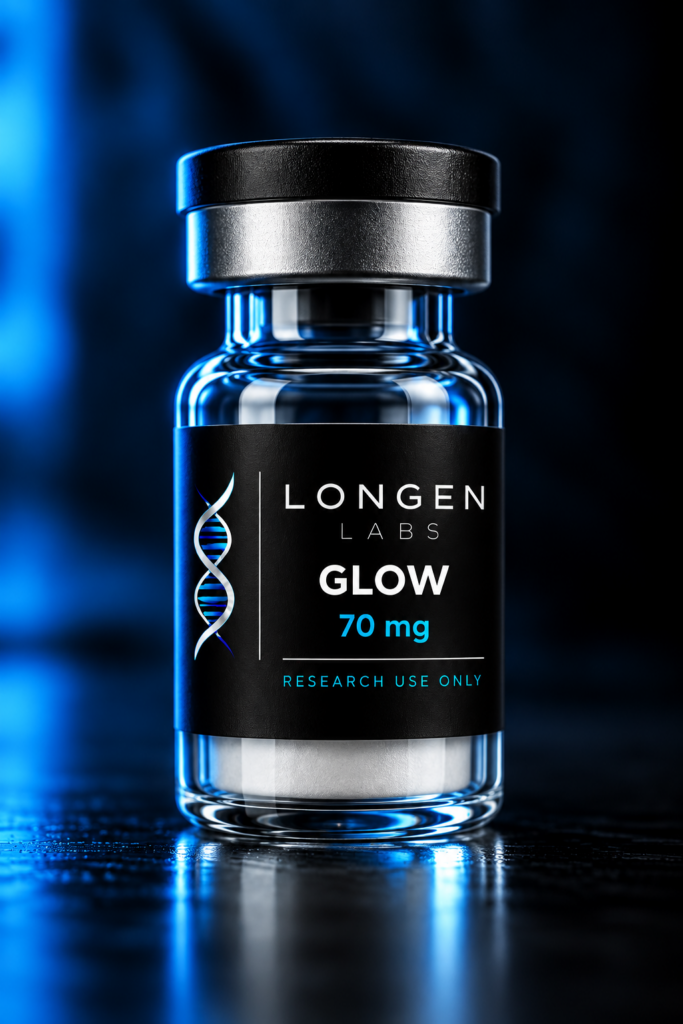
A multi-component research formulation combining peptides associated with cellular repair, extracellular-matrix signalling and tissue-remodelling research. The final page should identify every component and its exact amount rather than marketing GLOW as a single molecular entity.
| Title | Range | Discount |
|---|---|---|
| 4 vials (15% discount) | 4 - 7 | 15% CHF 84.15 |
| 8 vials (25% discount) | 8 - 11 | 25% CHF 74.25 |
| 12 vials (35% disocunt) | 12 + | 35% CHF 64.35 |
GLOW is a multi-peptide research formulation combining BPC-157, TB-500 and GHK-Cu. These three synthetic compounds are investigated for their involvement in tissue repair, cellular signaling, extracellular matrix regulation and inflammatory responses.
BPC-157 is a synthetic pentadecapeptide investigated primarily in preclinical models of tendon, ligament, muscle and gastrointestinal tissue repair. Experimental research has explored its potential interactions with angiogenesis, nitric oxide signaling and cellular repair pathways.
TB-500 is a synthetic peptide associated with thymosin beta-4 research. Thymosin beta-4 participates in actin regulation, cellular migration and tissue remodeling. However, the biological properties of full-length thymosin beta-4 should not automatically be attributed to every TB-500 formulation.
GHK-Cu is a copper-binding tripeptide complex investigated for its involvement in fibroblast activity, collagen production, extracellular matrix regulation and cellular signaling associated with tissue remodeling.
The GLOW formulation brings together three compounds with distinct research profiles.
GLOW 70 mg is presented as an experimental multi-peptide formulation for laboratory and scientific applications. The stated quantity refers to the total amount of compounds contained in the product and should not be interpreted as a recommended human dosage.
Product: GLOW
Strength: 70 mg total
Composition: BPC-157 + TB-500 + GHK-Cu
Category: Recovery
Compound classification: Experimental multi-peptide and copper-peptide formulation
Research targets: Tissue repair-associated signaling, actin regulation, fibroblast activity and extracellular matrix pathways
Research focus: Tissue remodeling, cellular migration, inflammatory signaling, collagen regulation and repair-associated biological processes
Mechanism: Combines compounds individually investigated for their interactions with tissue repair pathways, cellular migration, cytoskeletal regulation and extracellular matrix maintenance. The combined formulation’s biological effects have not been adequately characterized.
Pharmacological profile: Experimental research formulation containing three compounds with distinct biological activities; clinical efficacy, potential interactions and long-term safety of the combination remain unestablished
Intended use: Laboratory and research use only
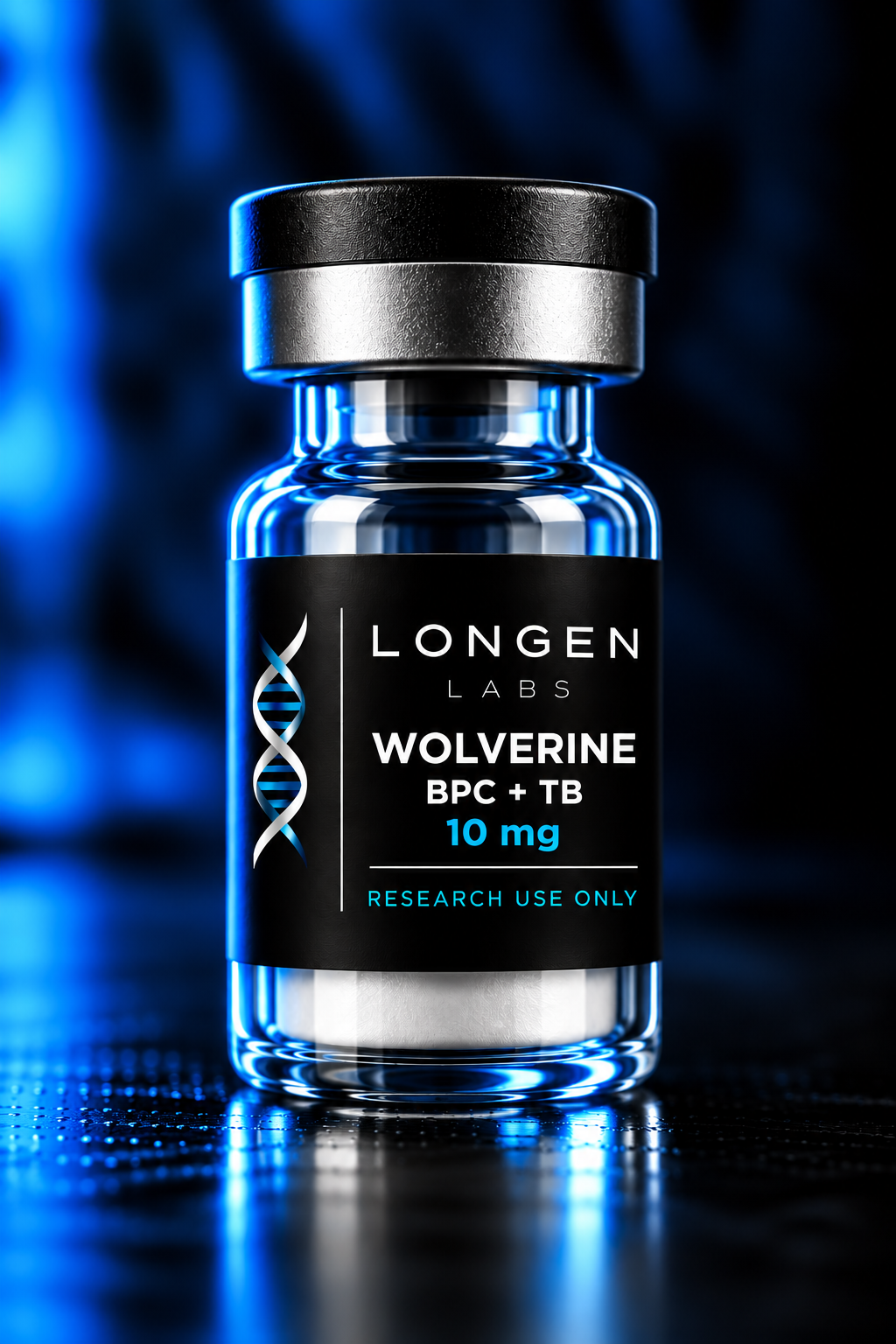
WOLVERINE is a multi-peptide research formulation of BPC-157 and TB-500. These peptides are individually investigated for their involvement in tissue repair, cellular migration, inflammatory signaling and extracellular matrix remodeling.
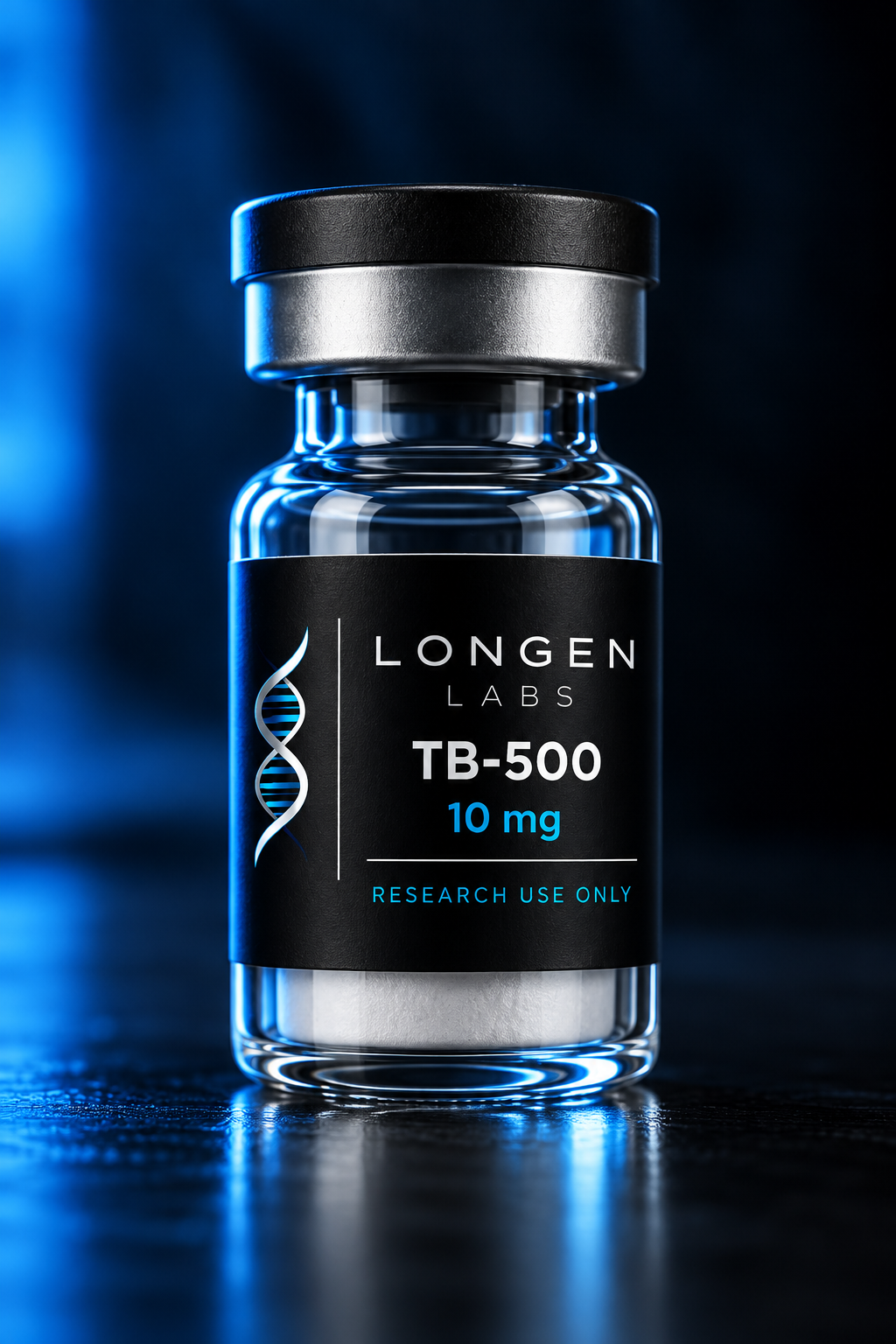
Associated with Thymosin Beta-4, a naturally occurring peptide involved in tissue repair, wound healing and cellular regeneration. Research explores its role in cell migration, blood vessel formation (angiogenesis), inflammatory regulation and tissue remodeling, including recovery in muscle, tendon, skin and cardiovascular tissue.
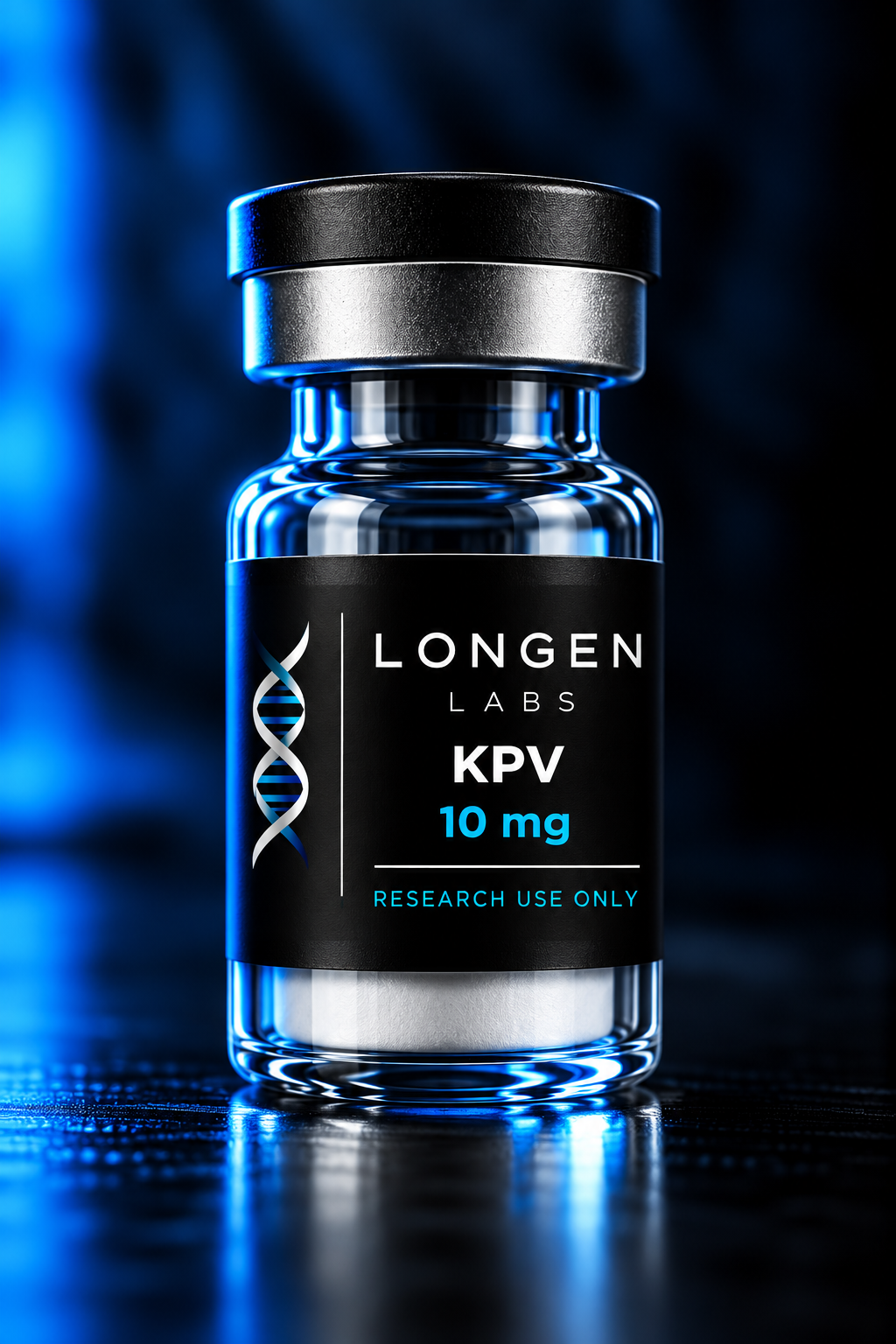
A tripeptide corresponding to the C-terminal sequence Lys-Pro-Val associated with α-MSH biology. Research interest centres on cellular signalling involved in inflammatory and immune-regulatory processes.
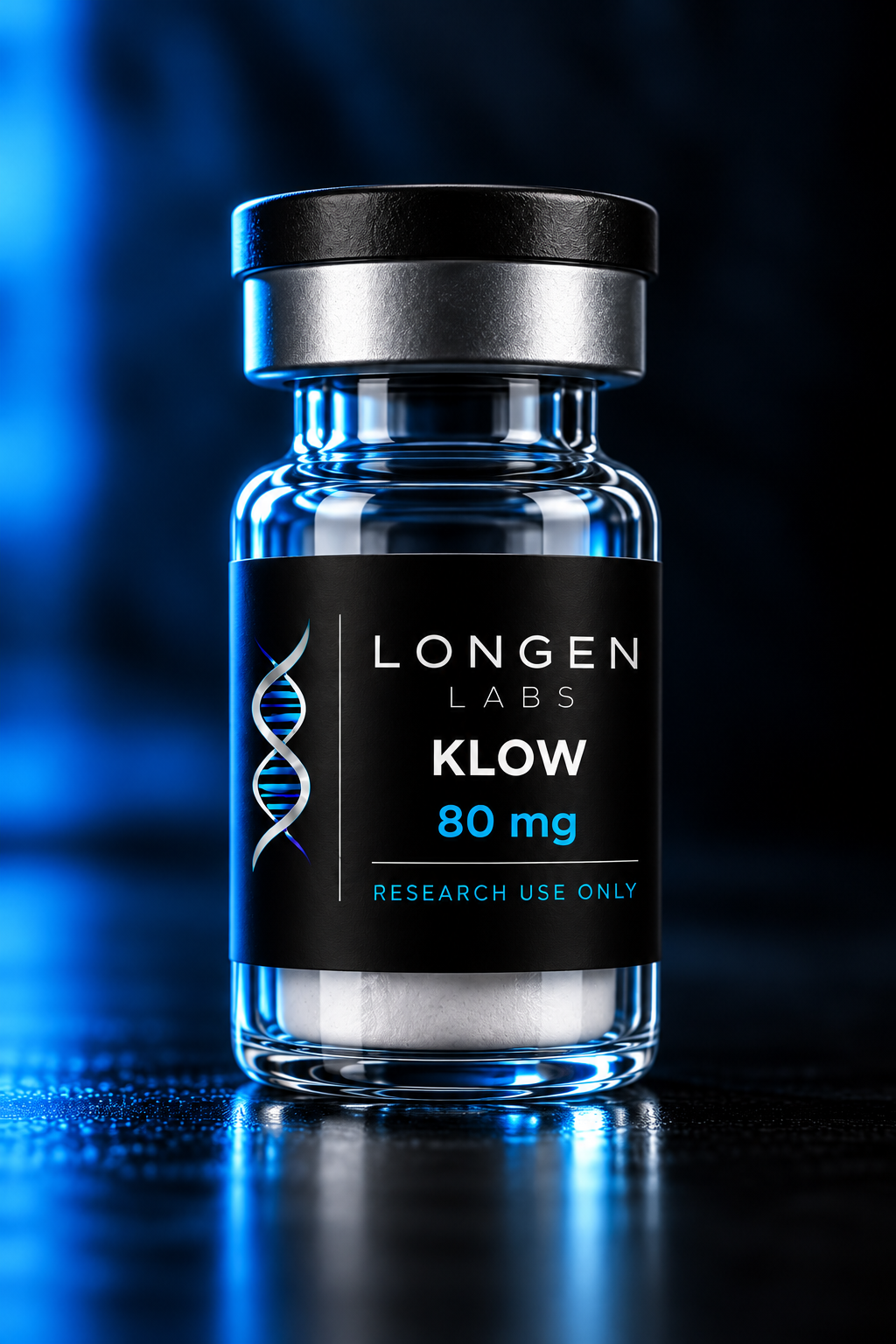
A combined formulation intended for studying multiple signalling components within one experimental system, BPC-157 + TB-500 + GHK-Cu + KPV blend.
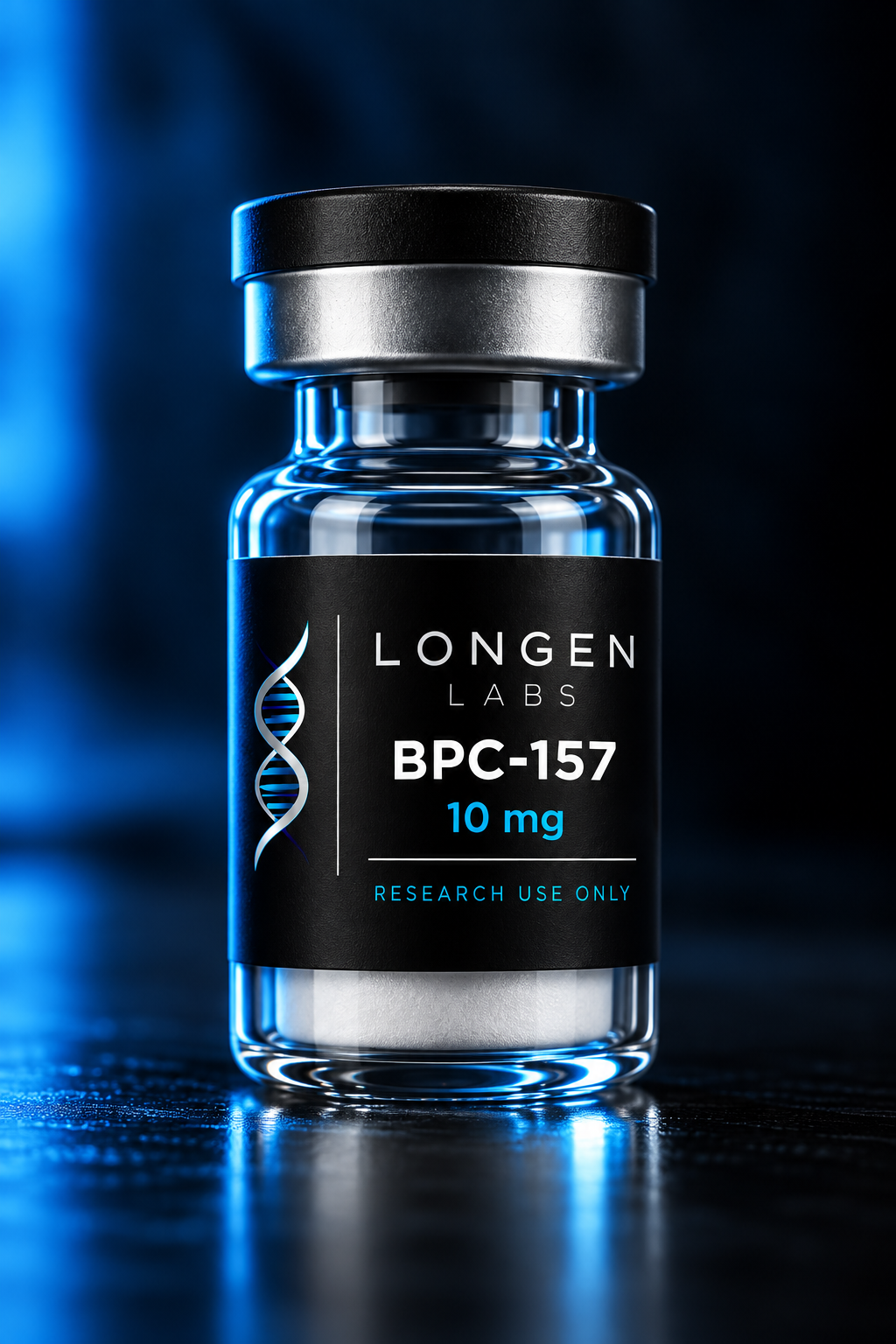
A synthetic 15-amino-acid peptide extensively investigated in preclinical models involving cellular protection, vascular signalling and tissue-repair biology. Despite considerable experimental interest, human clinical evidence remains limited and no approved therapeutic formulation exists.
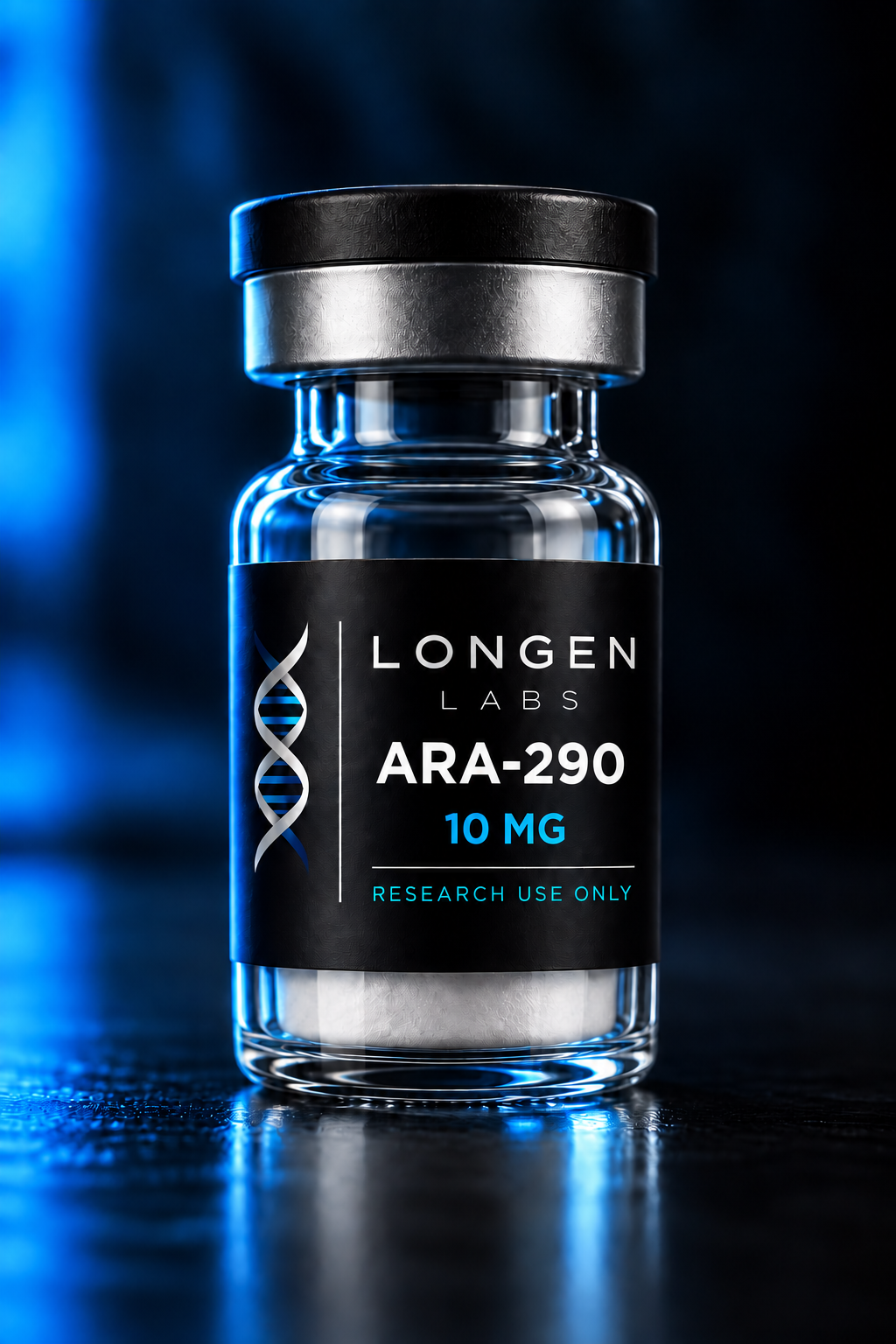
A synthetic peptide derived from the helix-B region of erythropoietin (EPO), investigated for tissue-protective signalling without reproducing EPO’s erythropoietic activity. Its research landscape includes inflammatory regulation, cellular protection and tissue-repair signalling pathways.
To provide the best experience, we use cookies and similar technologies to store and access device information. With your consent, we may process data such as browsing behavior or unique identifiers to improve site functionality and analytics. You can change or withdraw your consent at any time.