
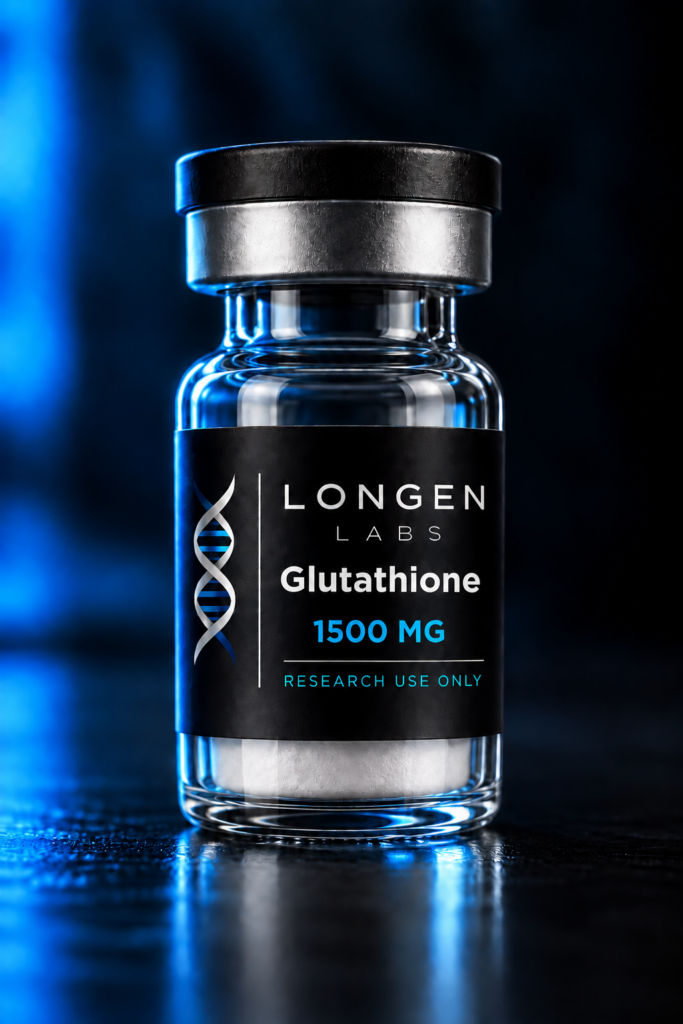
A naturally occurring tripeptide composed of glutamate, cysteine and glycine, widely studied for its central role in cellular redox regulation and antioxidant defence. Its research landscape includes oxidative stress, glutathione-dependent detoxification pathways and cellular homeostasis.
| Title | Range | Discount |
|---|---|---|
| 4 vials (15% discount) | 4 - 7 | 15% CHF 67.15 |
| 8 vials (25% discount) | 8 - 11 | 25% CHF 59.25 |
| 12 vials (35% disocunt) | 12 + | 35% CHF 51.35 |
Glutathione (GSH) is a naturally occurring tripeptide composed of three amino acids: glutamate, cysteine and glycine. It is an essential component of cellular antioxidant defense systems and plays an important role in maintaining intracellular redox balance, detoxification processes and cellular homeostasis.
Glutathione has been extensively investigated in biochemical and clinical research examining oxidative stress, mitochondrial function, cellular protection and immune regulation. Its reduced form (GSH) participates in antioxidant reactions, helping neutralize reactive oxygen species and supporting glutathione-dependent enzymatic systems.
Research has also examined glutathione’s involvement in cellular detoxification through glutathione S-transferase enzymes, its role in maintaining protein function and its interactions with metabolic pathways associated with oxidative stress.
Glutathione 1500 mg is presented as a research compound for laboratory and scientific applications. The stated quantity refers to the amount of compound contained in the product and should not be interpreted as a recommended human dosage.
Product: Glutathione
Strength: 1500 mg
Alternative names: GSH; Reduced Glutathione (if supplied in its reduced form)
Category: Support
Compound classification: Naturally occurring antioxidant tripeptide
Research target: Cellular redox systems and glutathione-dependent antioxidant pathways
Research focus: Oxidative stress, mitochondrial function, cellular detoxification, antioxidant defense and redox homeostasis
Mechanism: Participates in cellular oxidation-reduction reactions, supports glutathione peroxidase activity and contributes to detoxification through glutathione conjugation pathways
Pharmacological profile: Endogenous antioxidant tripeptide with extensively characterized biological functions; formulation-specific clinical effects and safety require separate evaluation
Intended use: Laboratory and research use only
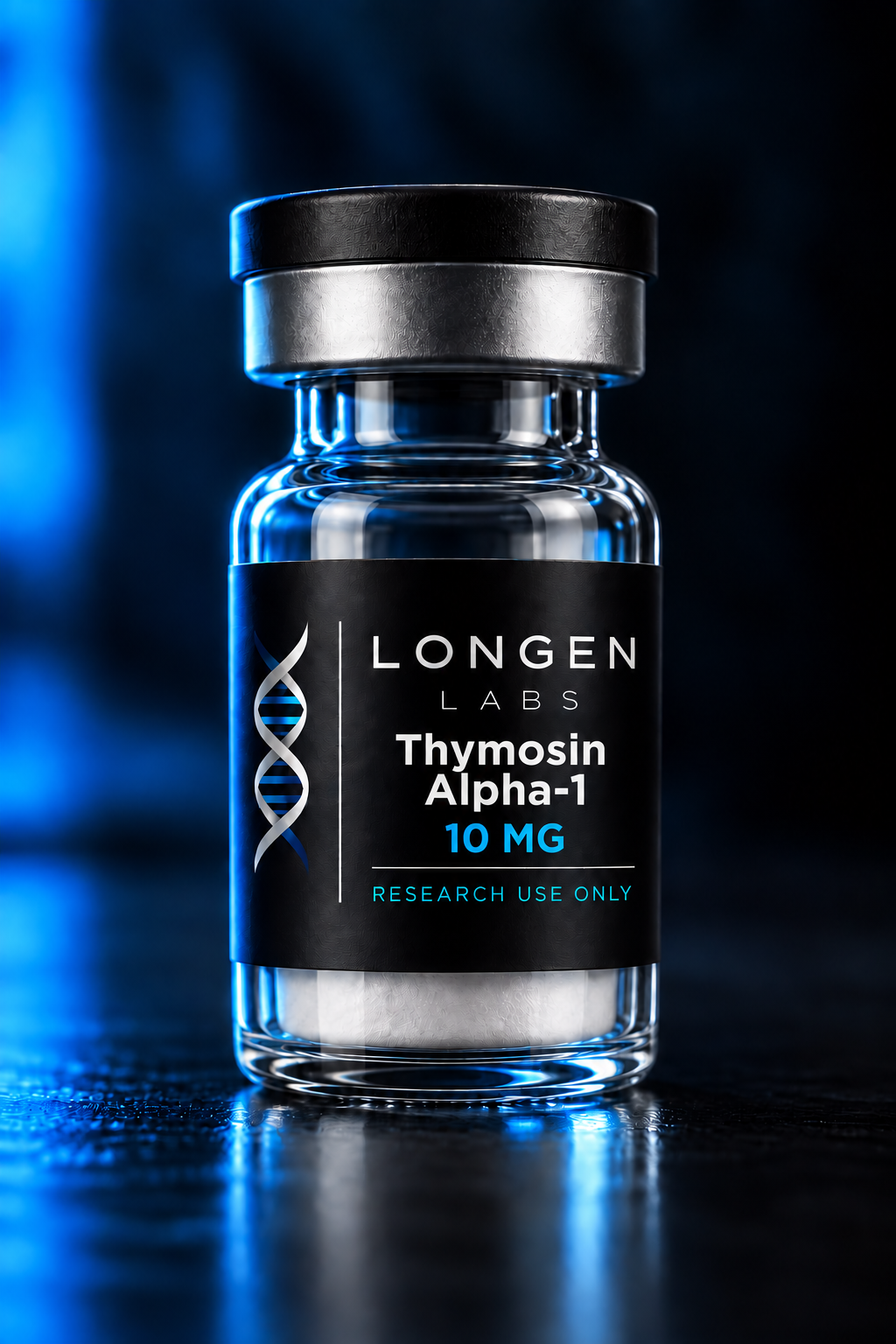
A synthetic peptide investigated for its interactions with immune-regulatory pathways and cellular signalling involved in innate and adaptive immune responses. Its research landscape includes T-cell activity, dendritic-cell signalling and immune-system modulation.
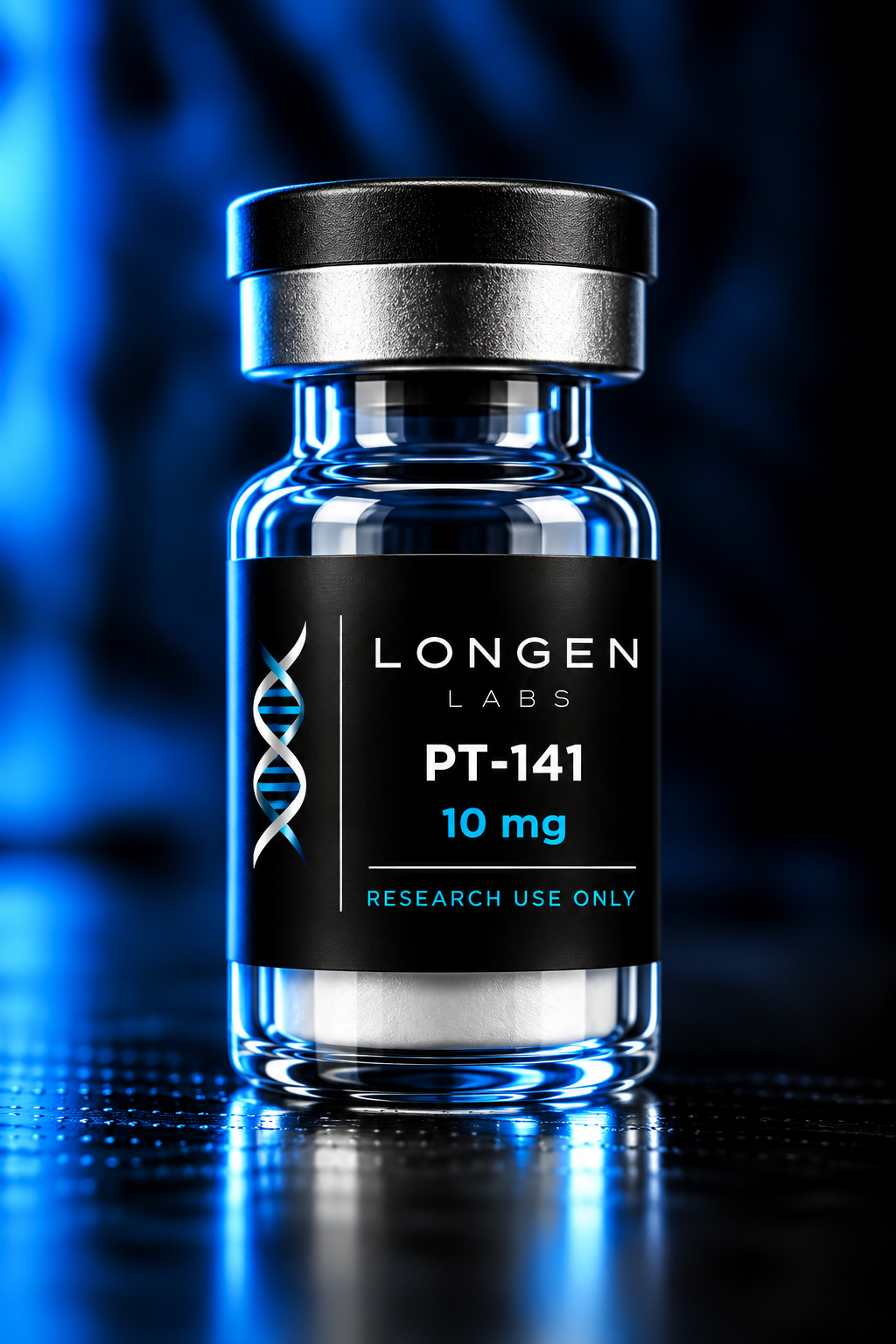
PT-141 is a melanocortin-receptor agonist relevant to research into central melanocortin signalling and neuroendocrine physiology. Its research profile is mechanistically distinct from GH-axis and metabolic peptides.
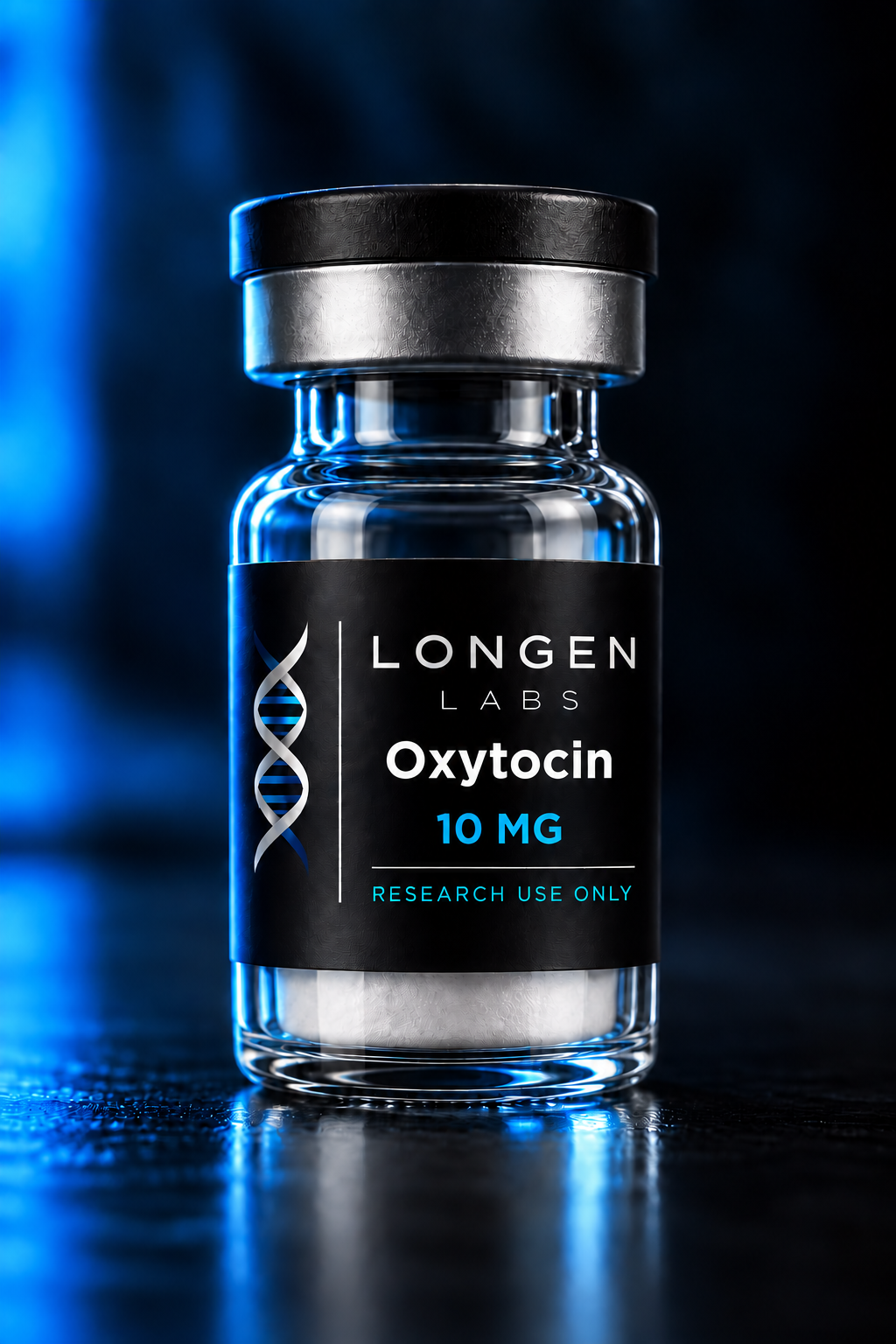
A naturally occurring neuropeptide hormone investigated for its activity at the oxytocin receptor (OXTR) and its role in neuroendocrine signalling. Its research landscape includes social and behavioural neuroscience, reproductive physiology and central nervous system signalling pathways.
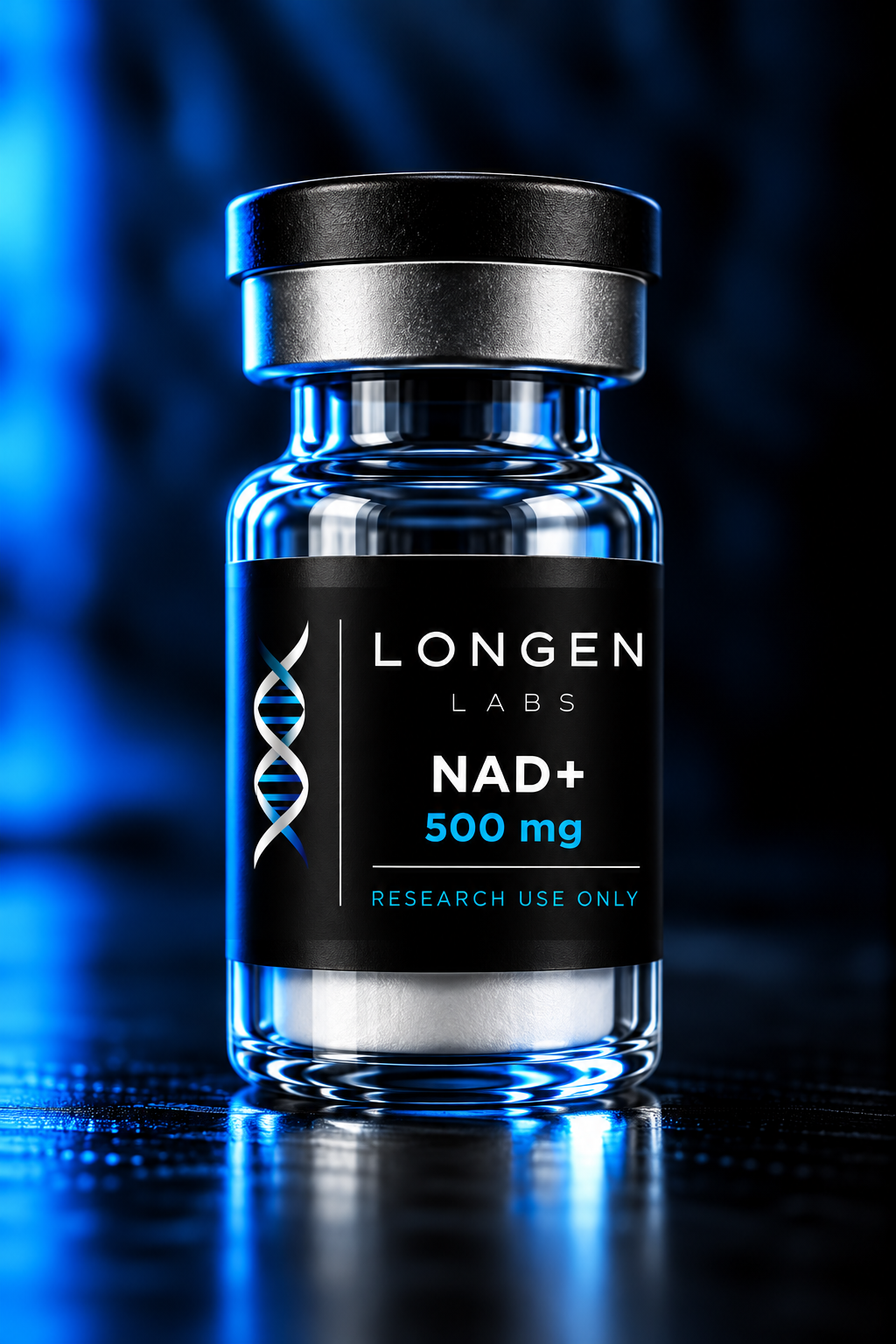
Nicotinamide adenine dinucleotide is a cellular redox cofactor rather than a peptide. It plays fundamental roles in electron transfer, cellular metabolism and enzyme systems including sirtuins and PARPs, making it relevant to bioenergetic and cellular-metabolism research.
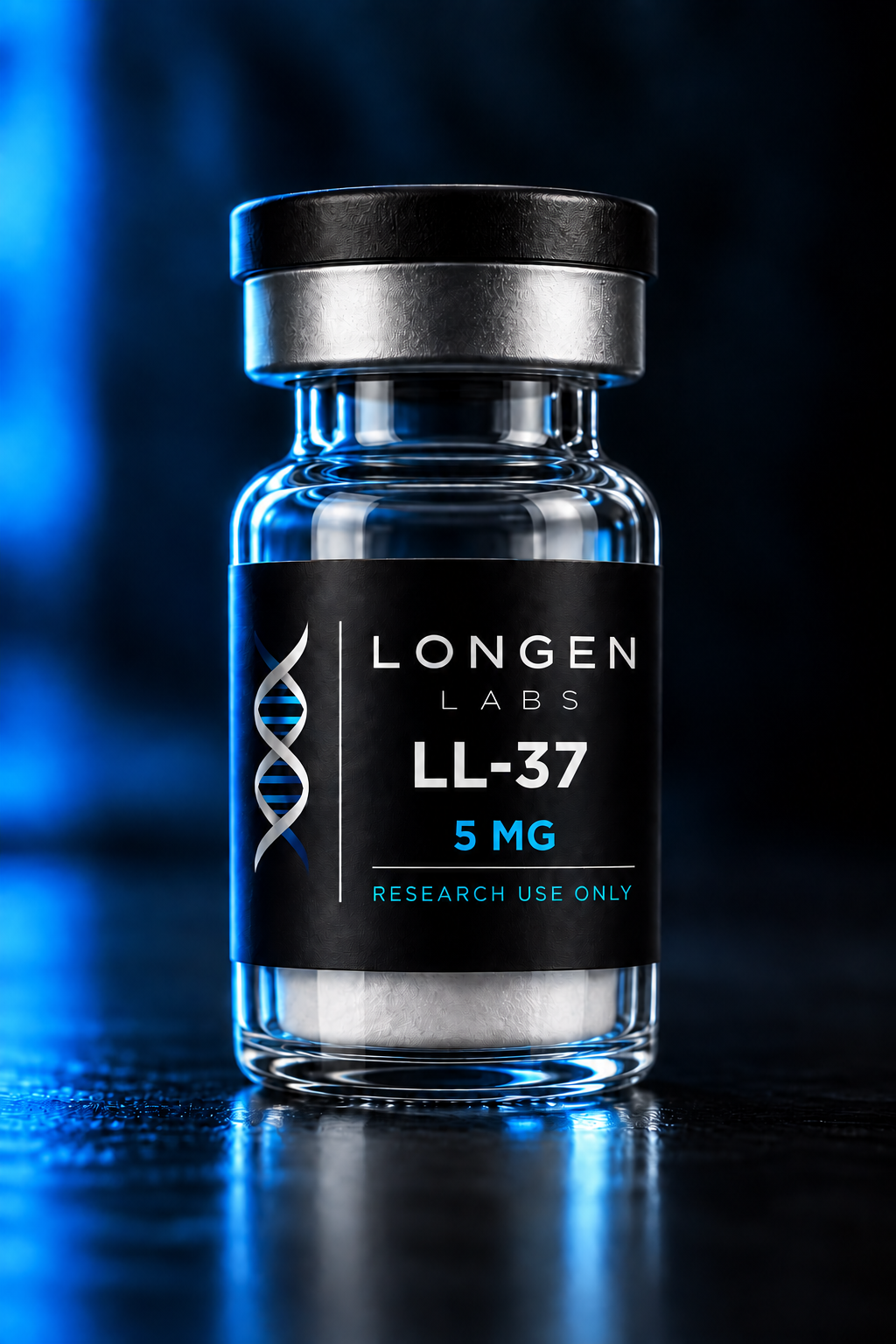
A naturally occurring human cathelicidin peptide investigated for its role in innate immune signalling and host-defence mechanisms. Its research landscape includes antimicrobial activity, inflammatory signalling, cellular responses and tissue-associated immune biology.
To provide the best experience, we use cookies and similar technologies to store and access device information. With your consent, we may process data such as browsing behavior or unique identifiers to improve site functionality and analytics. You can change or withdraw your consent at any time.